Click on an image to view larger size. Opens in a new tab/window.
More images from May 2020
13 Saturday Jun 2020
Posted in Headstones and monuments, Information, Nature

13 Saturday Jun 2020
Posted in Headstones and monuments, Information, Nature
Click on an image to view larger size. Opens in a new tab/window.
17 Sunday May 2020
Posted in Headstones and monuments, Historical, Information, Views
Here is a section of an aerial photograph taken in 1937 and found on the ‘Britain From Above’ website. It includes the south eastern part of Warriston cemetery. Other main points include Powderhall stadium, probably most known for greyhound racing and motorcycle speedway but also for athletics and football. Eric Liddell, portrayed in the Chariots of Fire film, trained there in 1920. It was the original ground of Edinburgh City Football Club and it also hosted some celebrity football matches. The kennels can be seen to the left and that is where a branch of B&Q, the home and garden supply business, stood before the ground was redeveloped as housing. Parts of the adjacent area were taken up by various industries including W. and M. Duncan’s Regent Confectionary Works (commonly known as Duncan’s Chocolate Factory), J. G. Waterston’s Logie Green Printing Works which was converted to residential units, and John McKinnell’s Dunedin Cigarette Factory that produced Lorraine Cigarettes and Clan Tobacco. Housing construction is seen in progress on Warriston Road between an earlier version of St Mark’s Bridge and what is now St Mark’s Park with many (long since gone) allotment plots on the slopes between and to the side of those partly-built houses and the Water of Leith flowing parallel with the stadium. On the left of St Mark’s Bridge you can see where the ford was traversed before any bridge was constructed in that position.
Click on the image to view a larger version. Opens in a new tab/page.
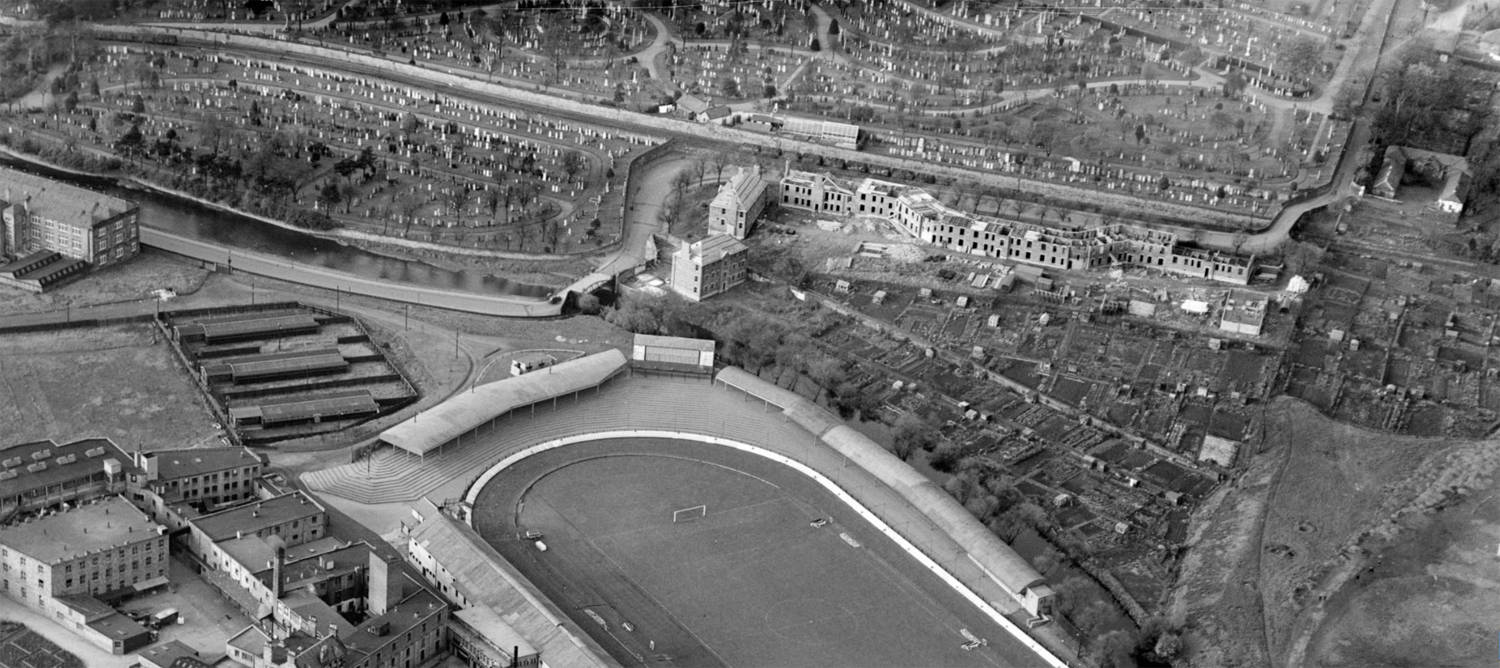
In the cemetery itself you can see where the railway was built through the grounds consequently dividing the site. An underpass was created to link both parts of the burial grounds with the railway running over that. The company was the Edinburgh, Leith and Newhaven Railway. In this photo, several wagons can be made out on the tracks. This part of the railway was built in 1845, only a couple of years after the cemetery was opened, and the track closed in the 1950s, subsequently turned into a walkway/ cycle path.
On the other side of the railway wall you can see a collection of buildings. This was the gardeners’ area where plants would be provided for the cemetery. There are greenhouses, potting and tool sheds and other outbuildings including a bothy or shelter for the under gardeners’ use. As there was a chimney included, it is supposed that the gardeners had their cuppas in there as well as sheltering when the weather was inclement. Only part of this structure still exists, the rest of the outbuildings having been demolished several years ago. You may just about be able to spot a second, smaller chimney attached to the left of the greenhouses. We believe this was used to heat those greenhouses when required.
To the left of the outbuildings you can see the cottage in which the Head Gardener would be in permanent residence. The cottage was mostly demolished in the 1970s and only a part of the wall can now be seen. This was all when the site belonged to a private company, before The City of Edinburgh Council took over in 1994.
This image has been valuable to us in not only providing a rare glimpse into the past of this wonderful cemetery but we have also used it to locate some gravestones in various areas that were hidden amongst the modern undergrowth.
The image can be found on the following page of Britain From Above. In order to zoom in on that site you need to register with them which is free to do so. Link below;
https://www.britainfromabove.org.uk/en/image/SPW056048
09 Saturday May 2020
Posted in Nature, Views, Views and Nature
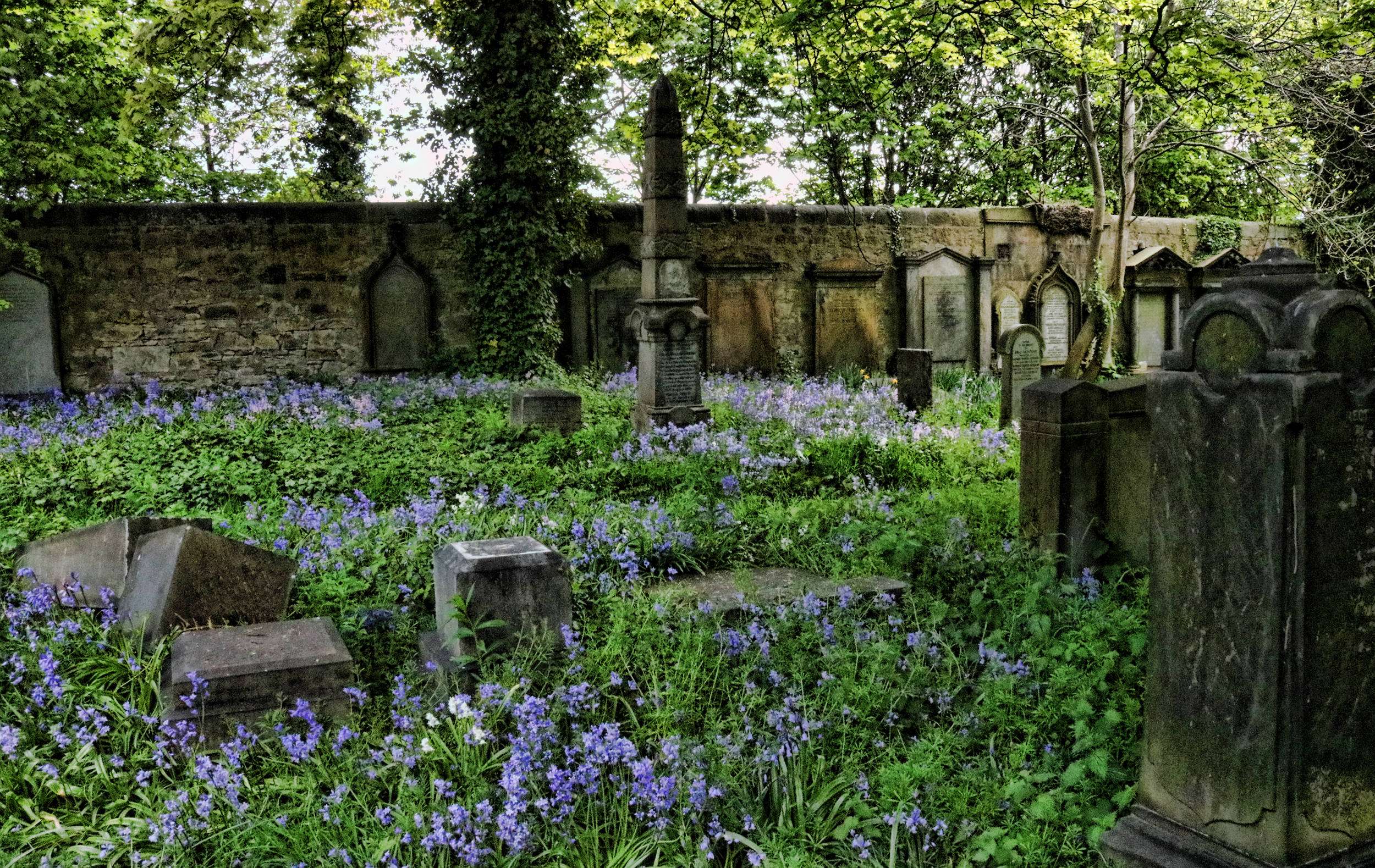
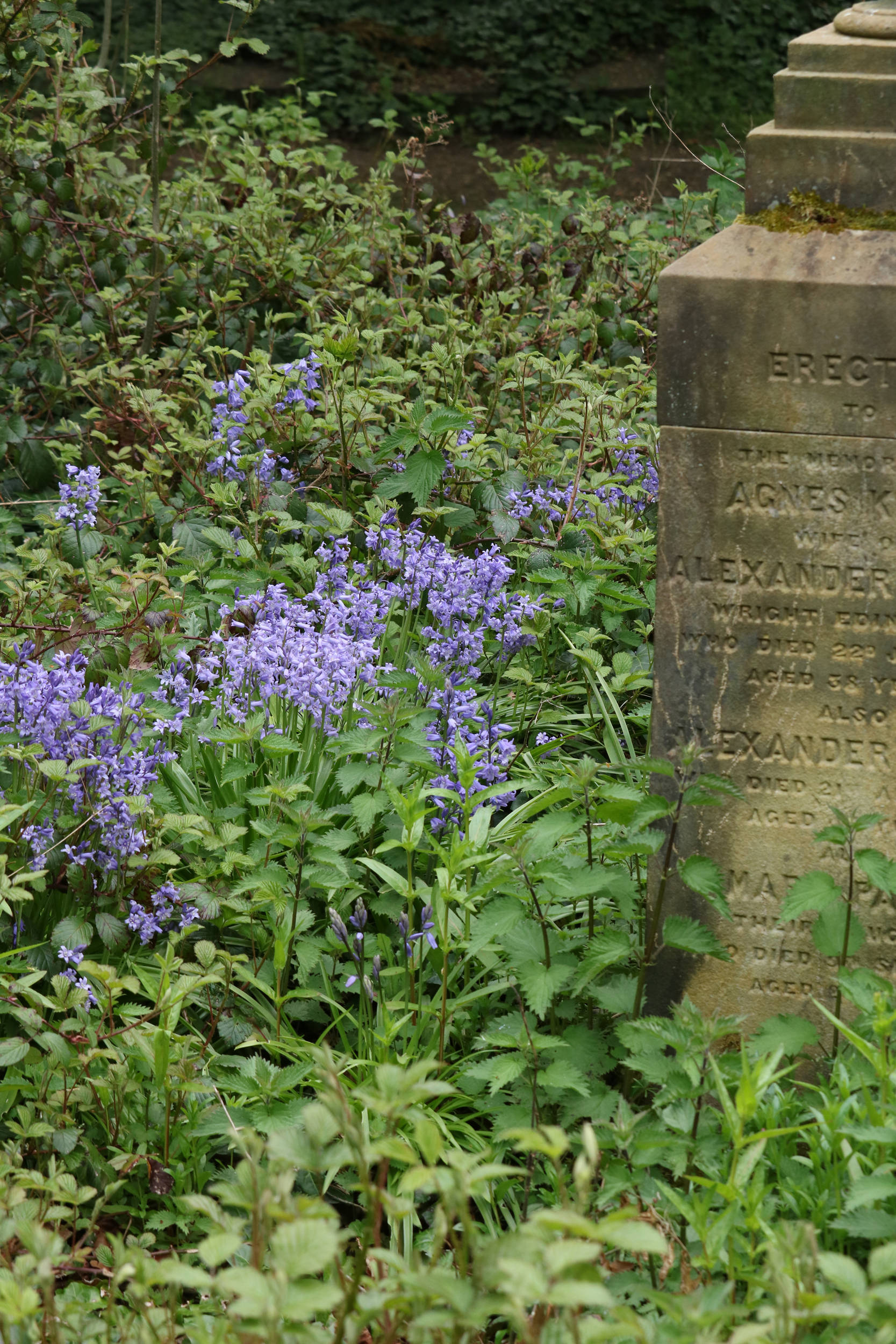
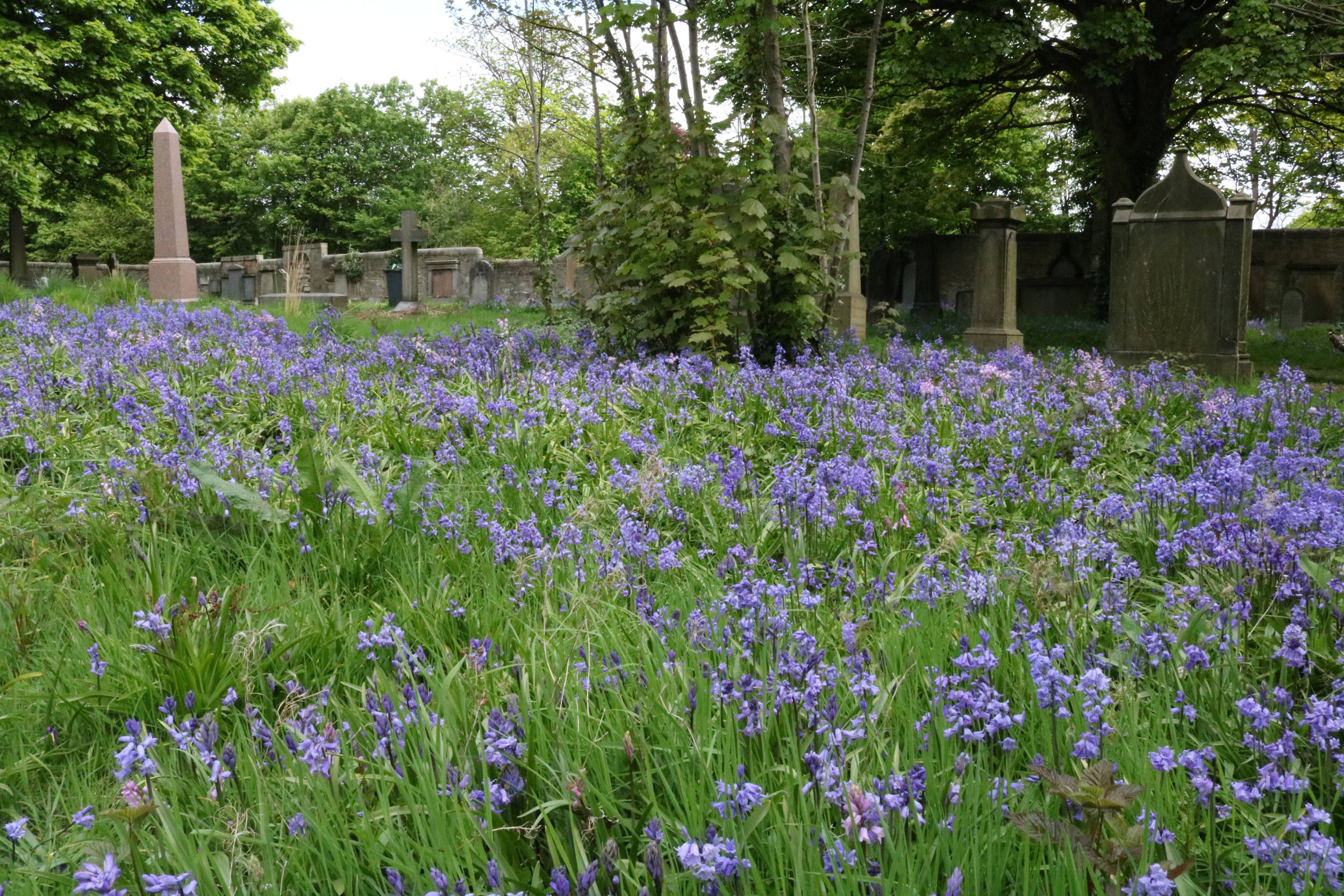
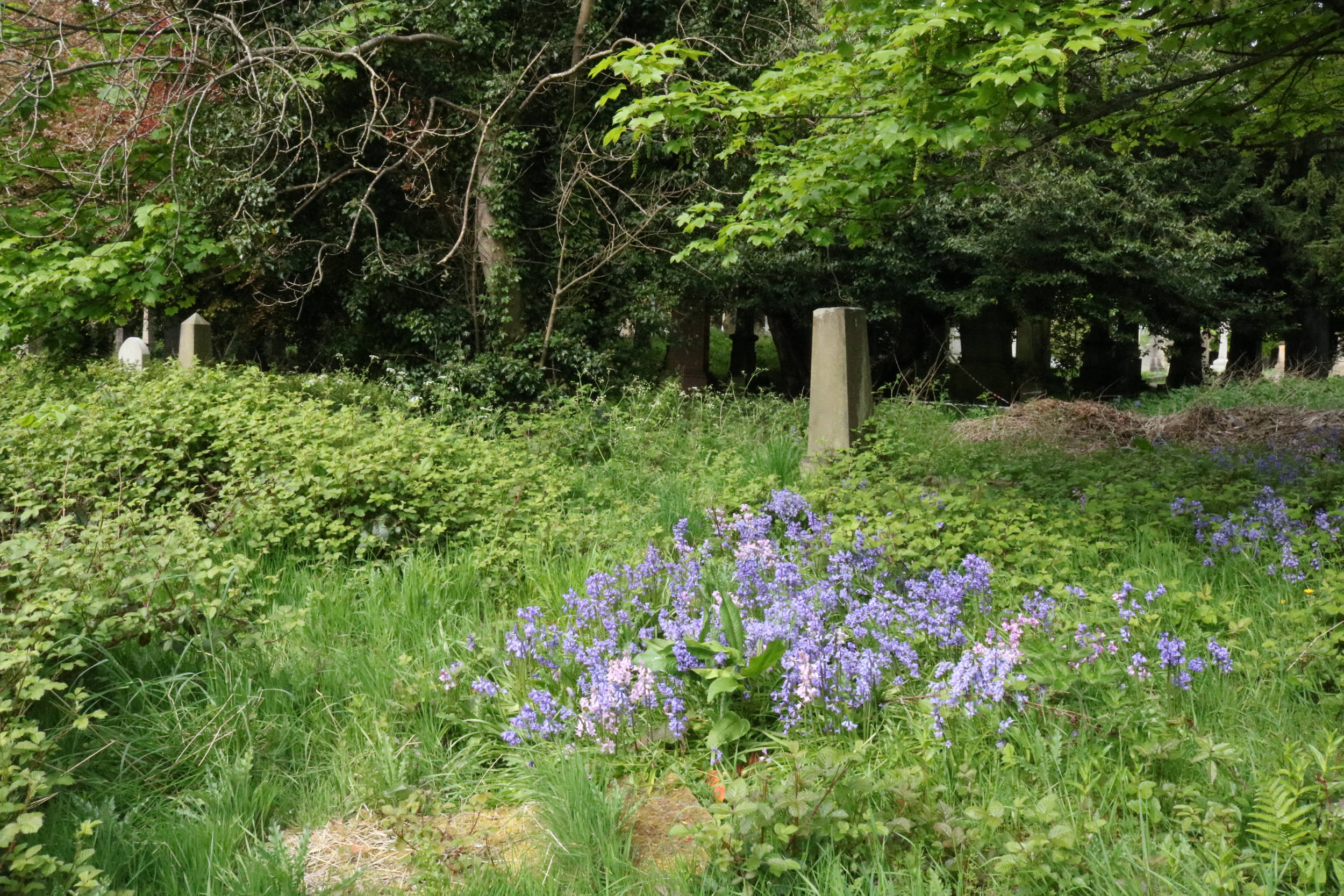
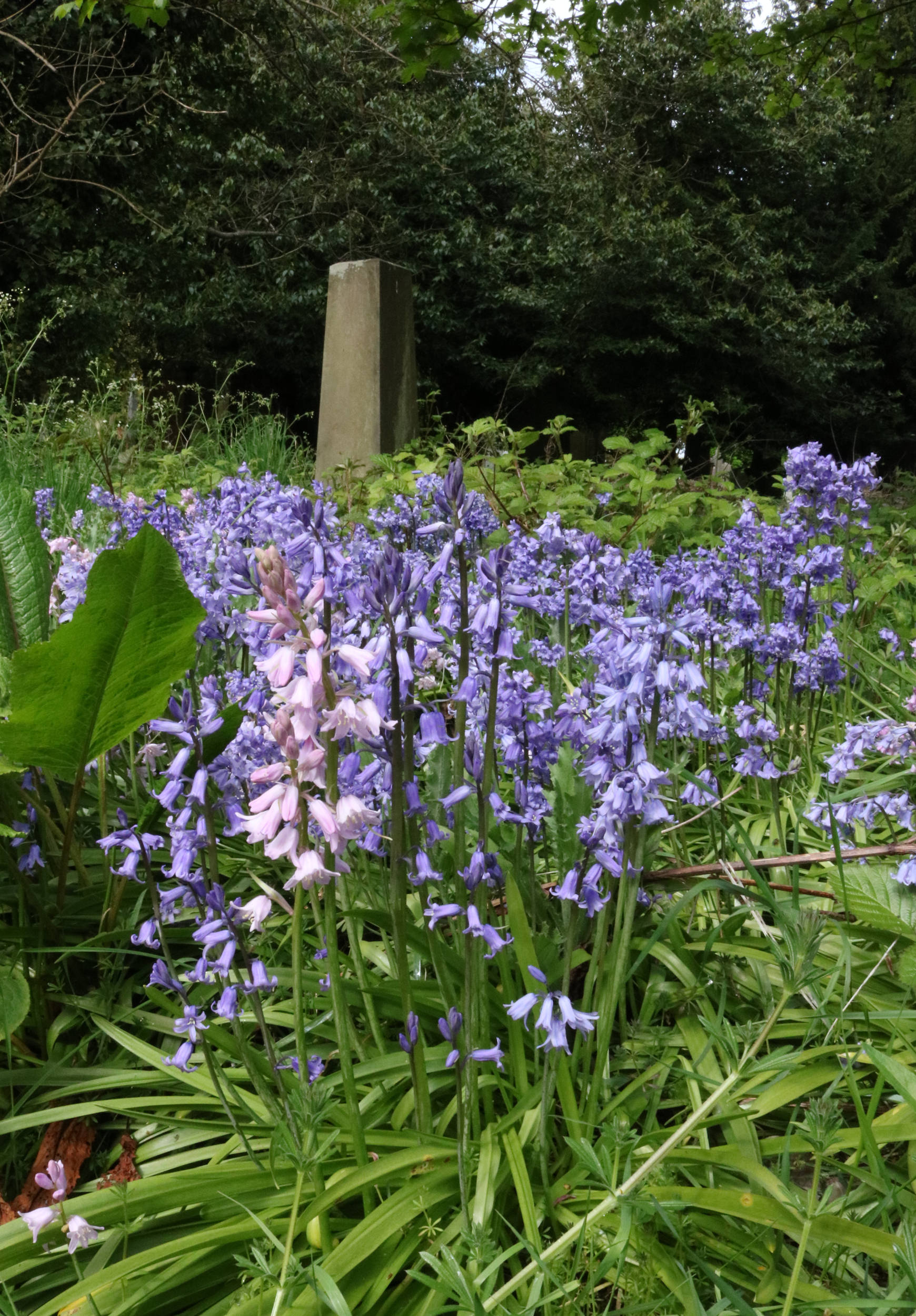
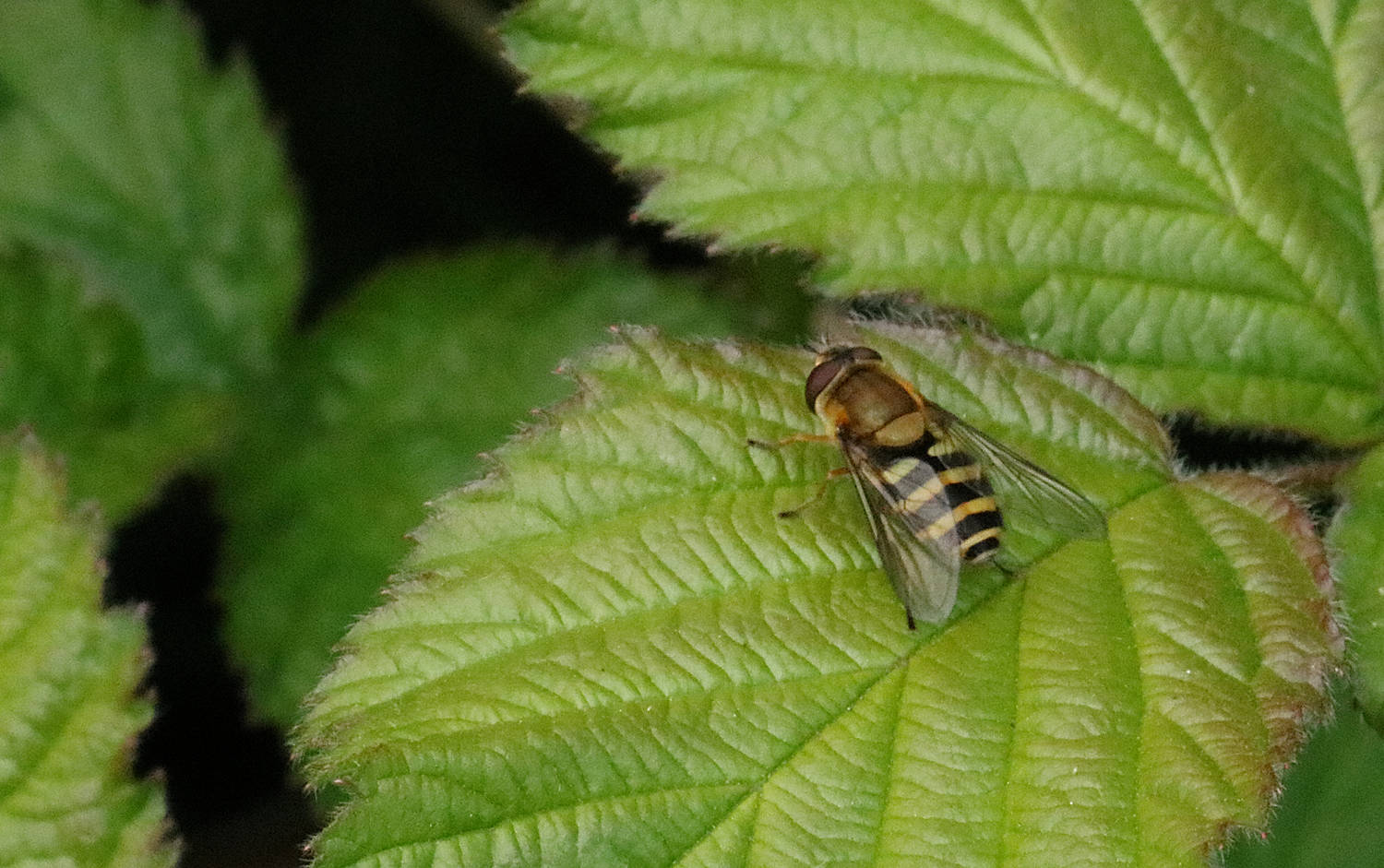
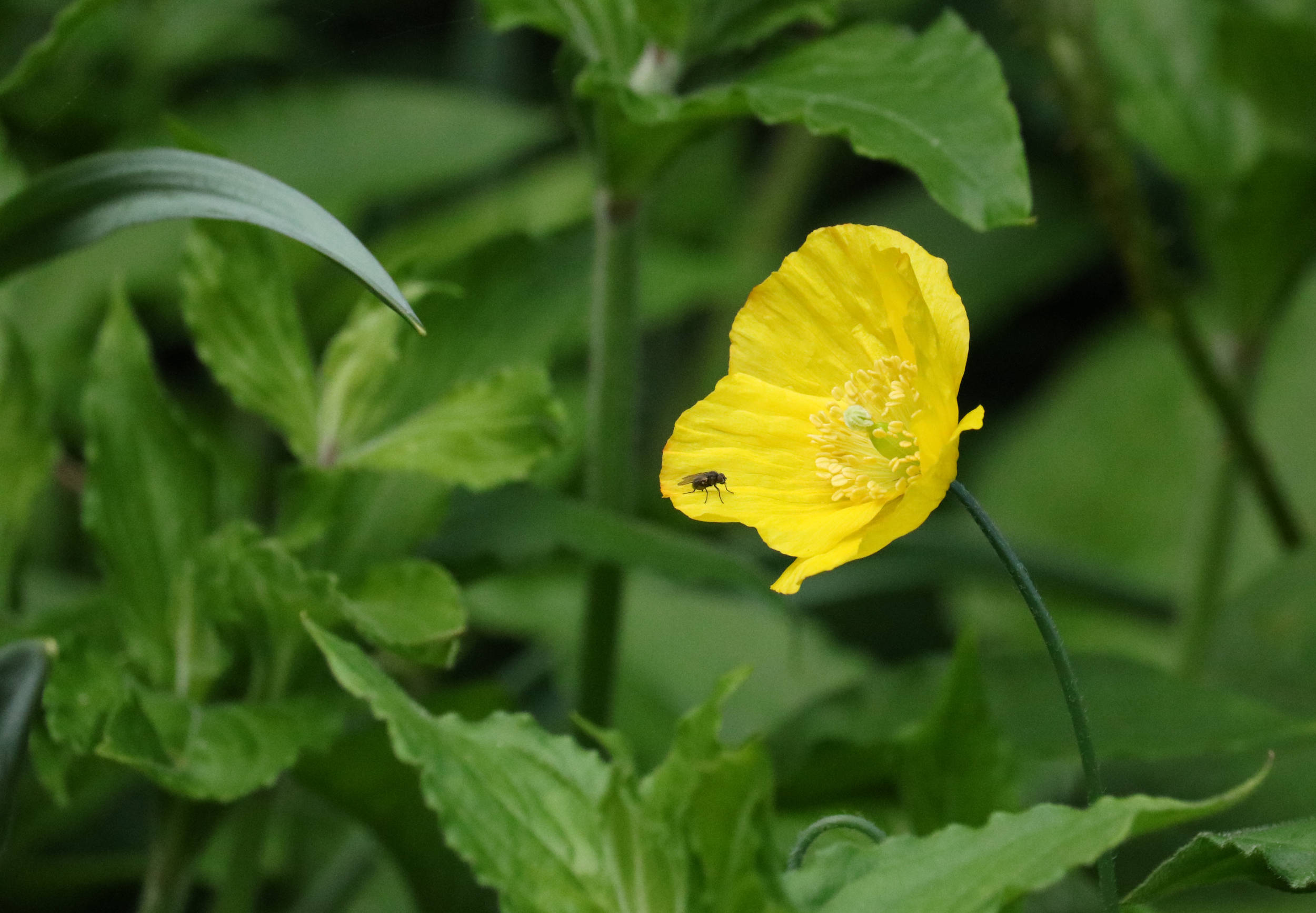
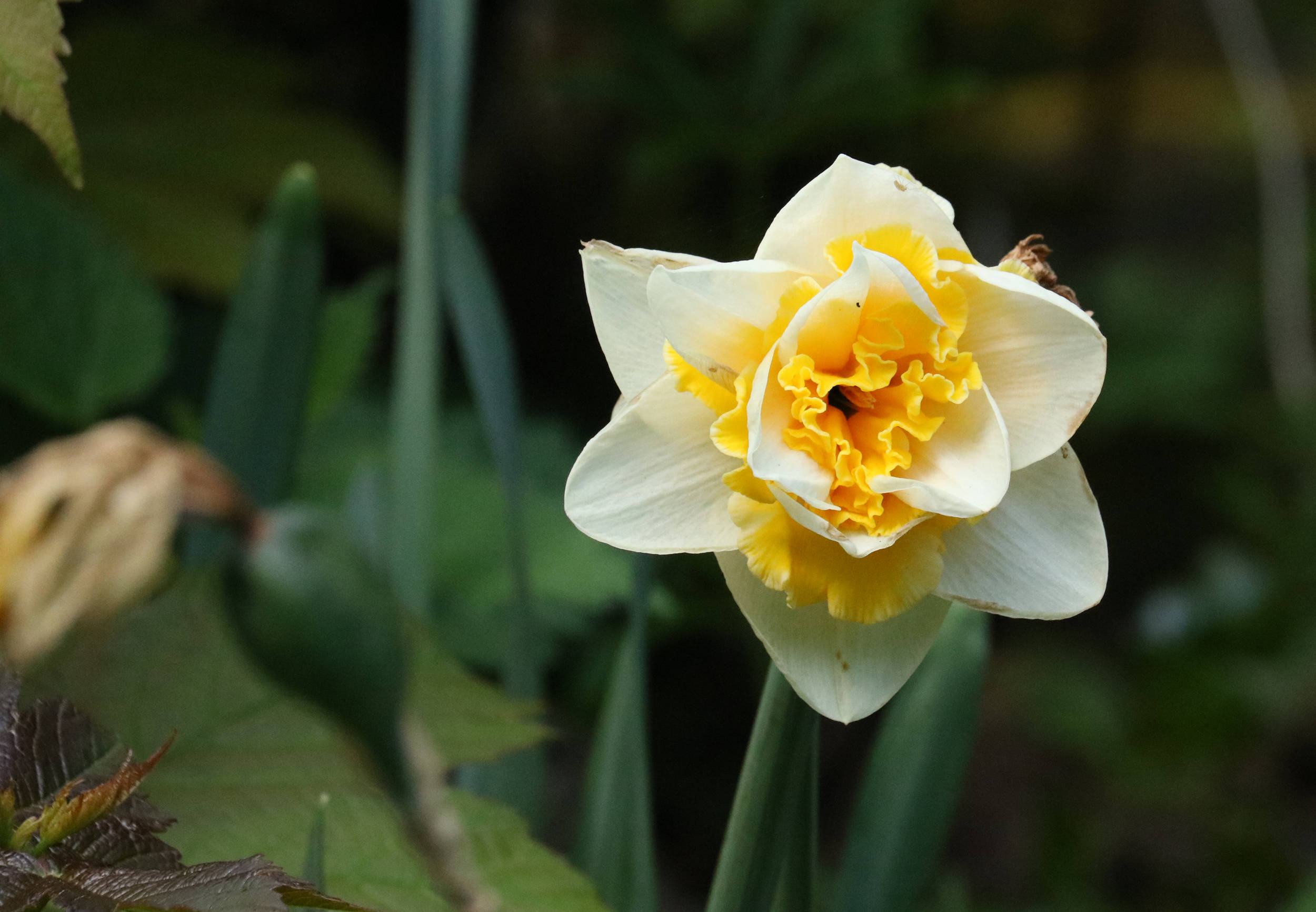
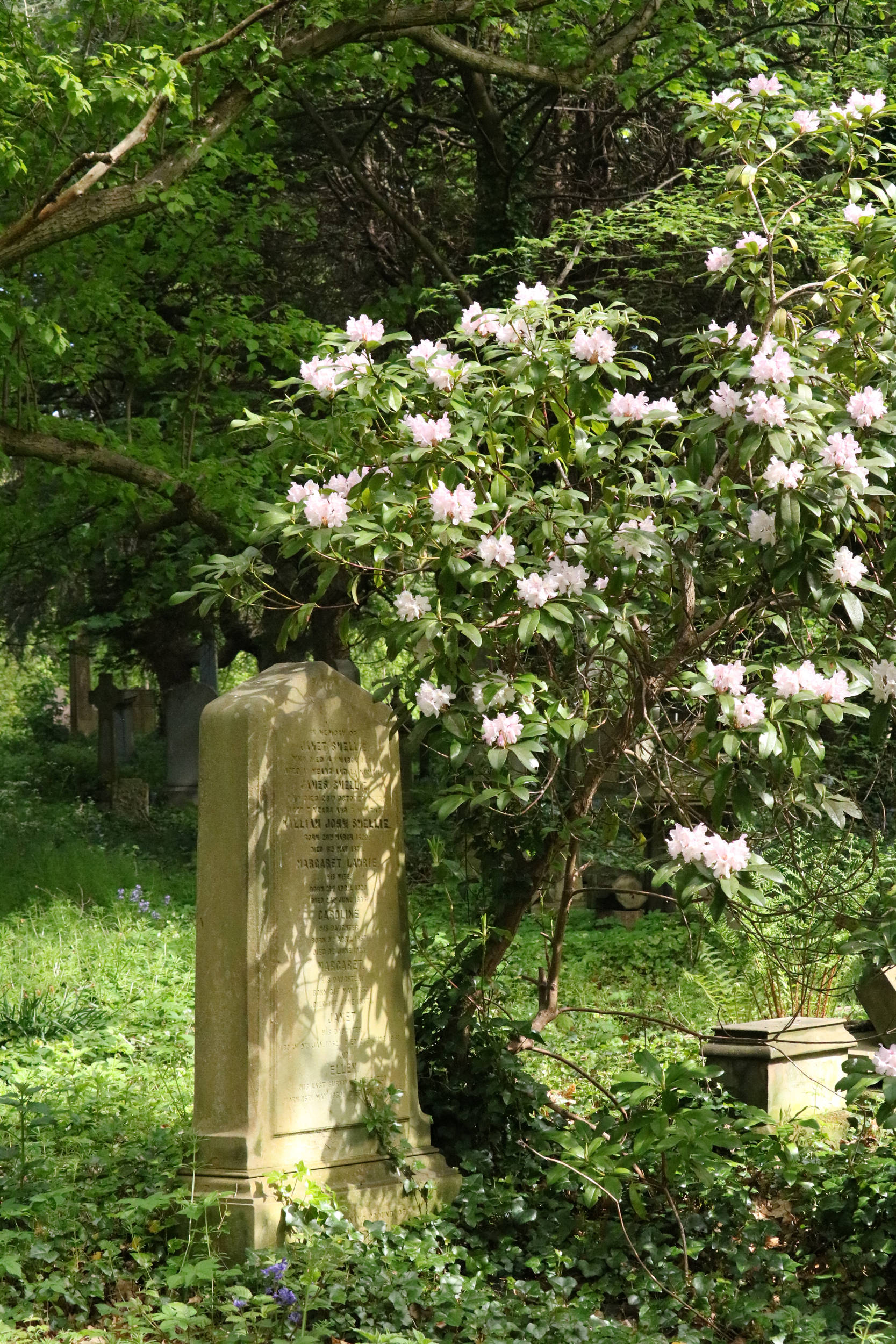
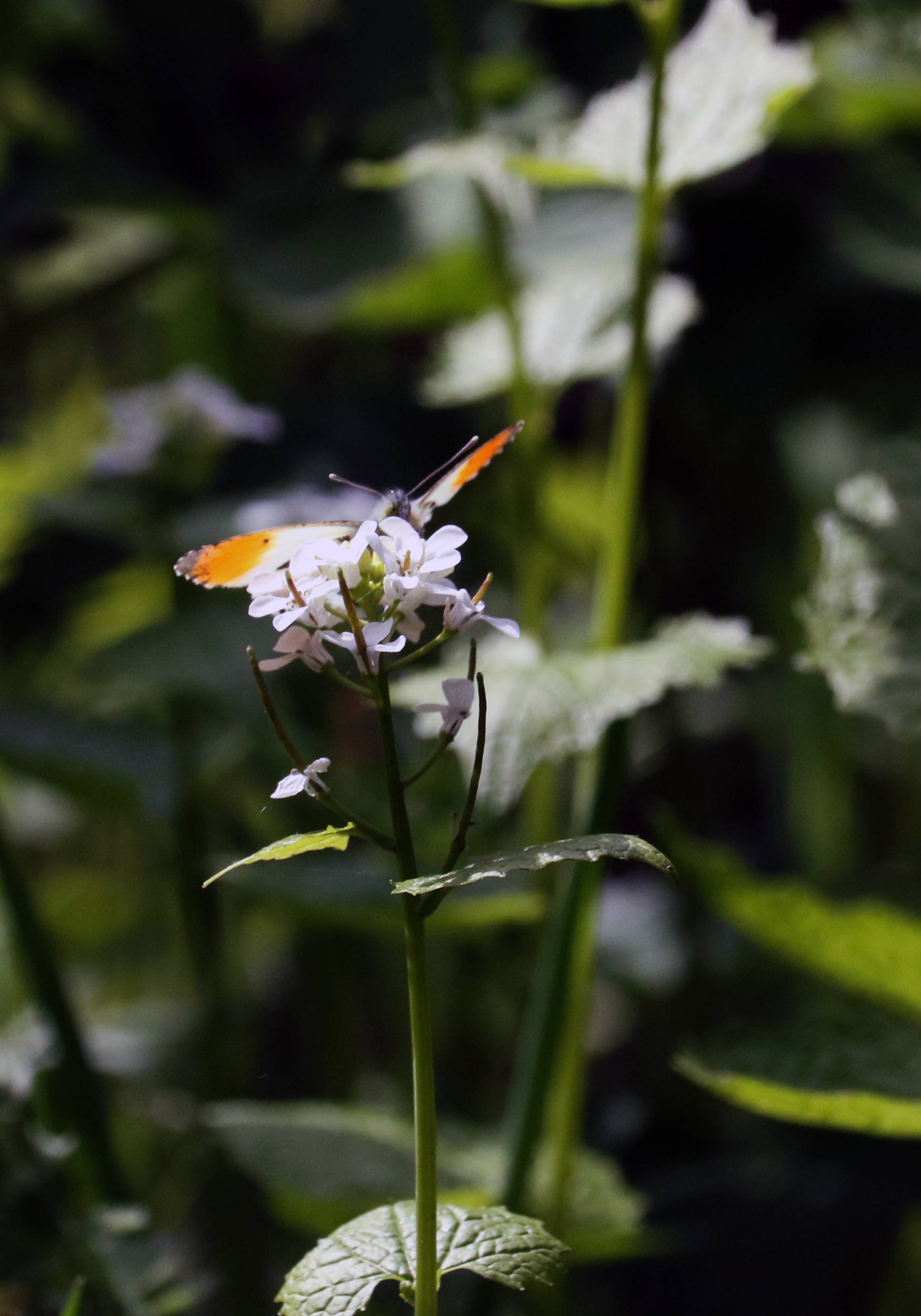
A few images from around the cemetery on a brightening morning.
Click on an image for a larger view. Opens in a new tab/window.

04 Monday May 2020
Posted in Views, Views and Nature
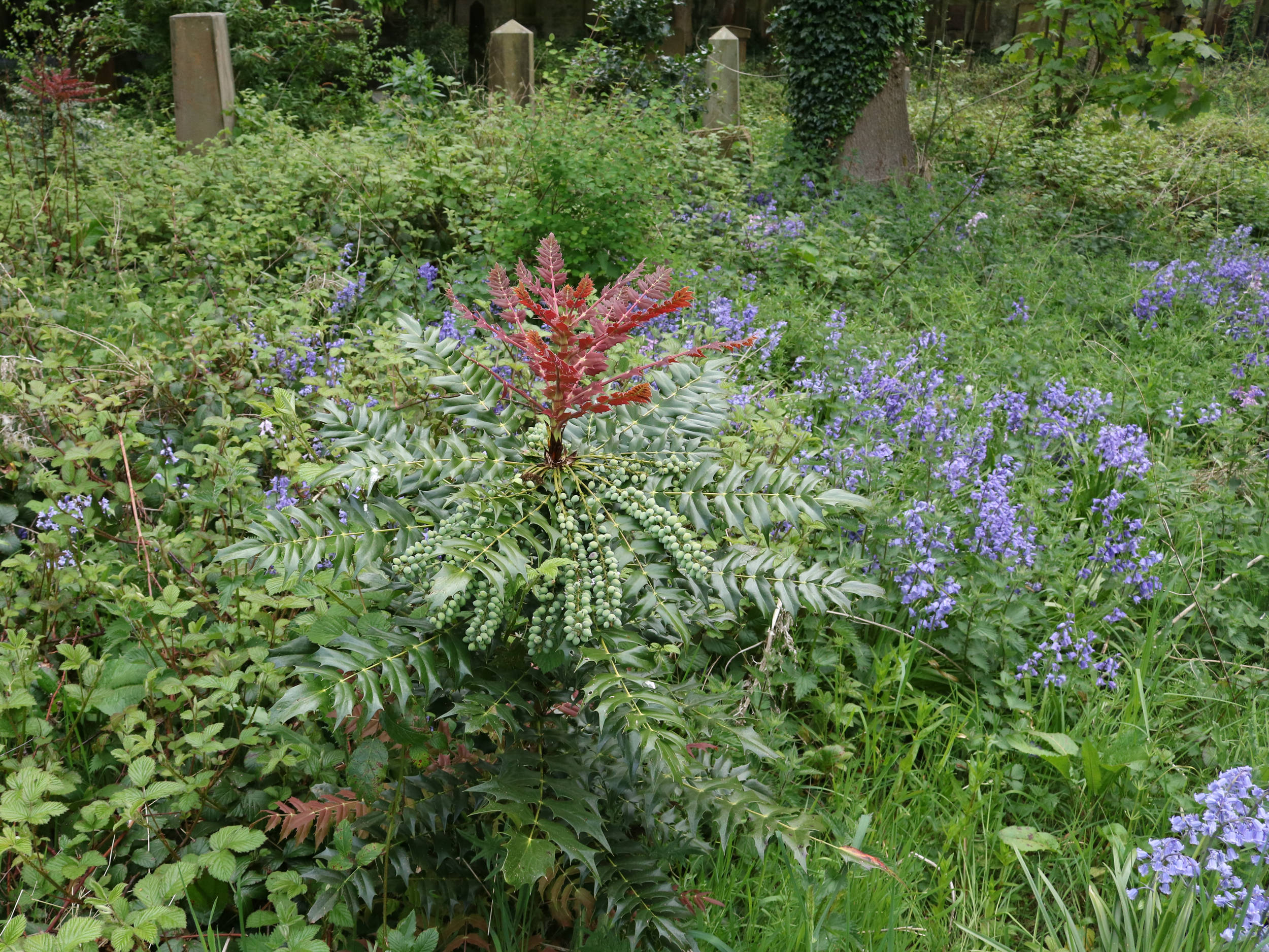
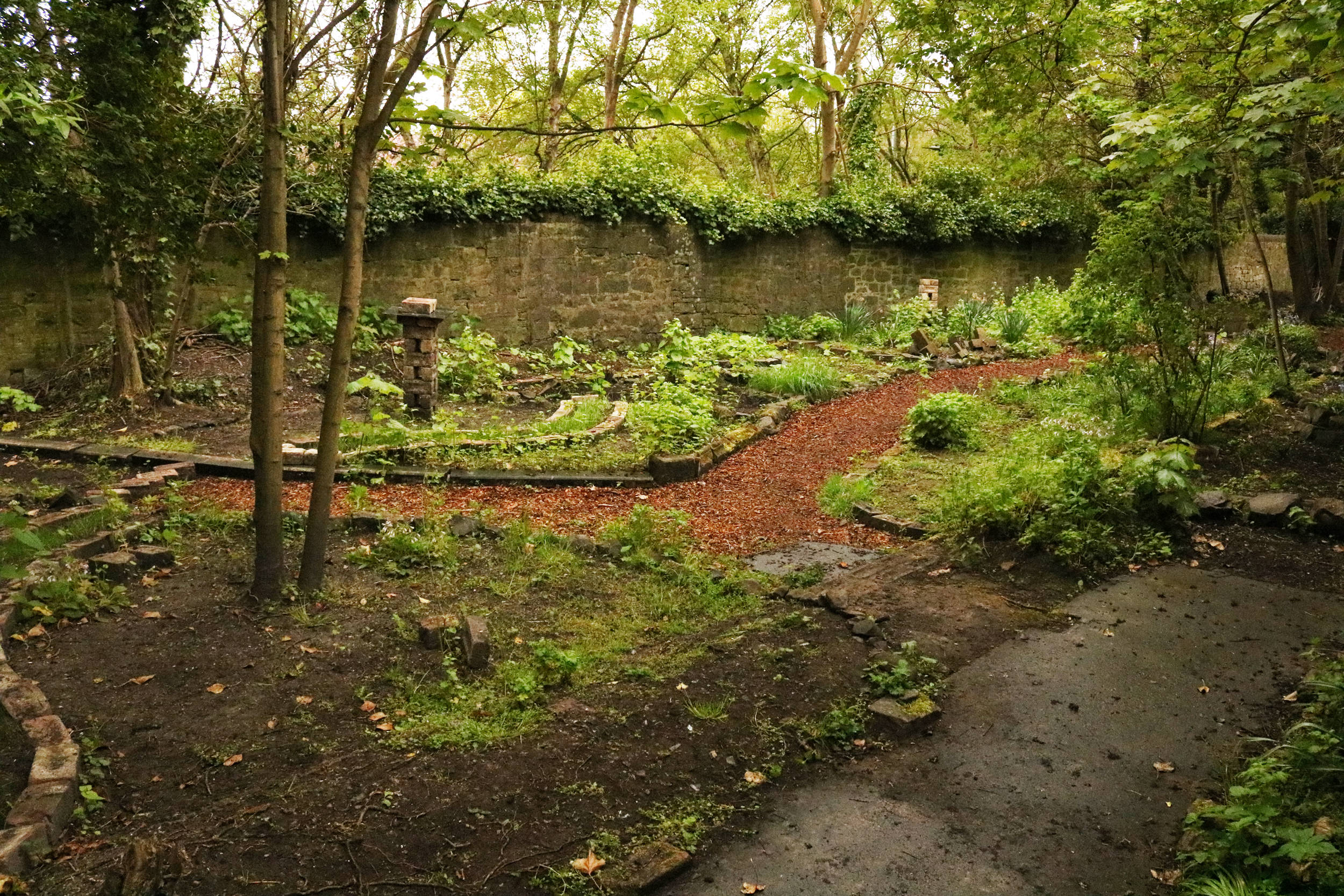
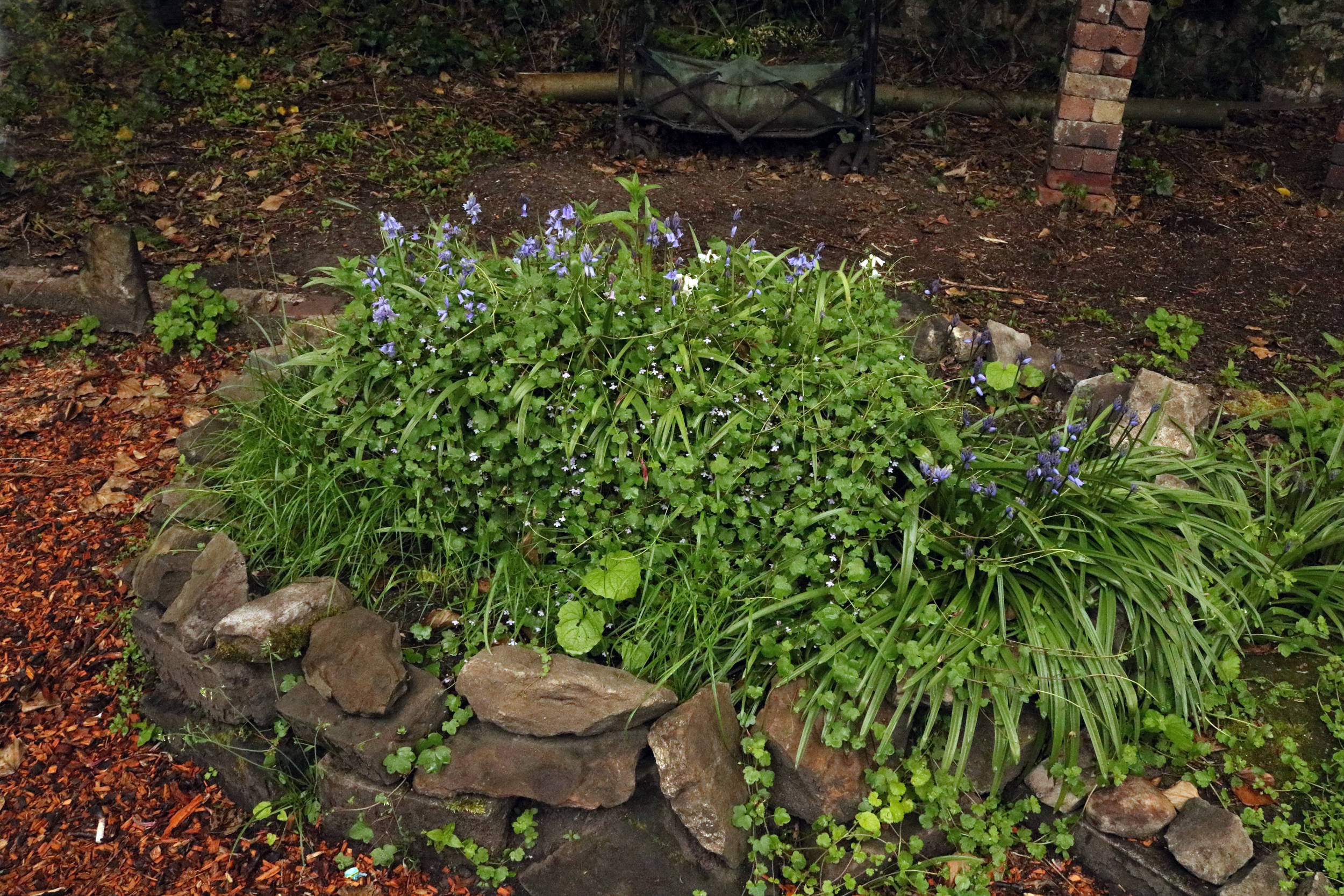
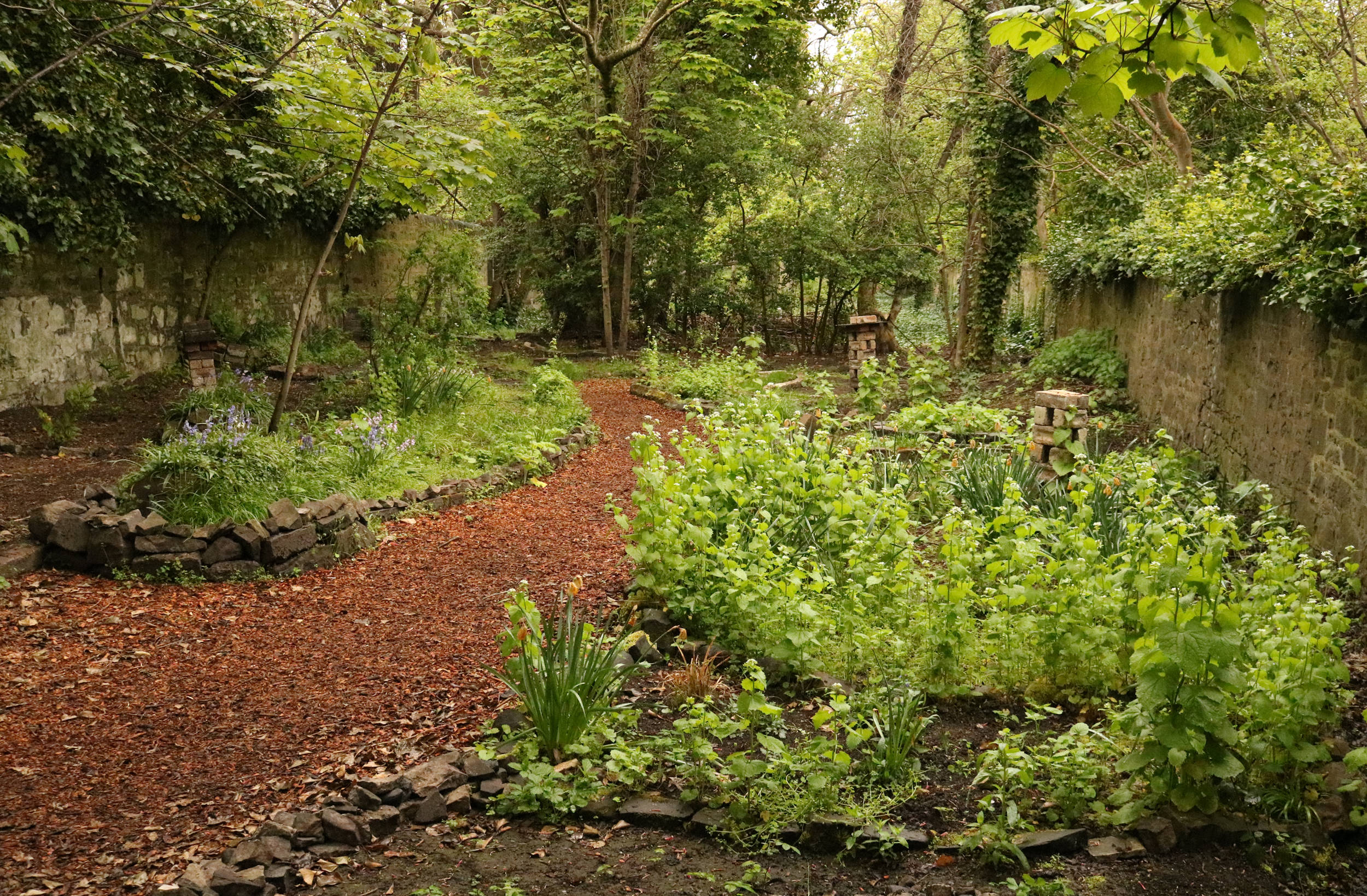
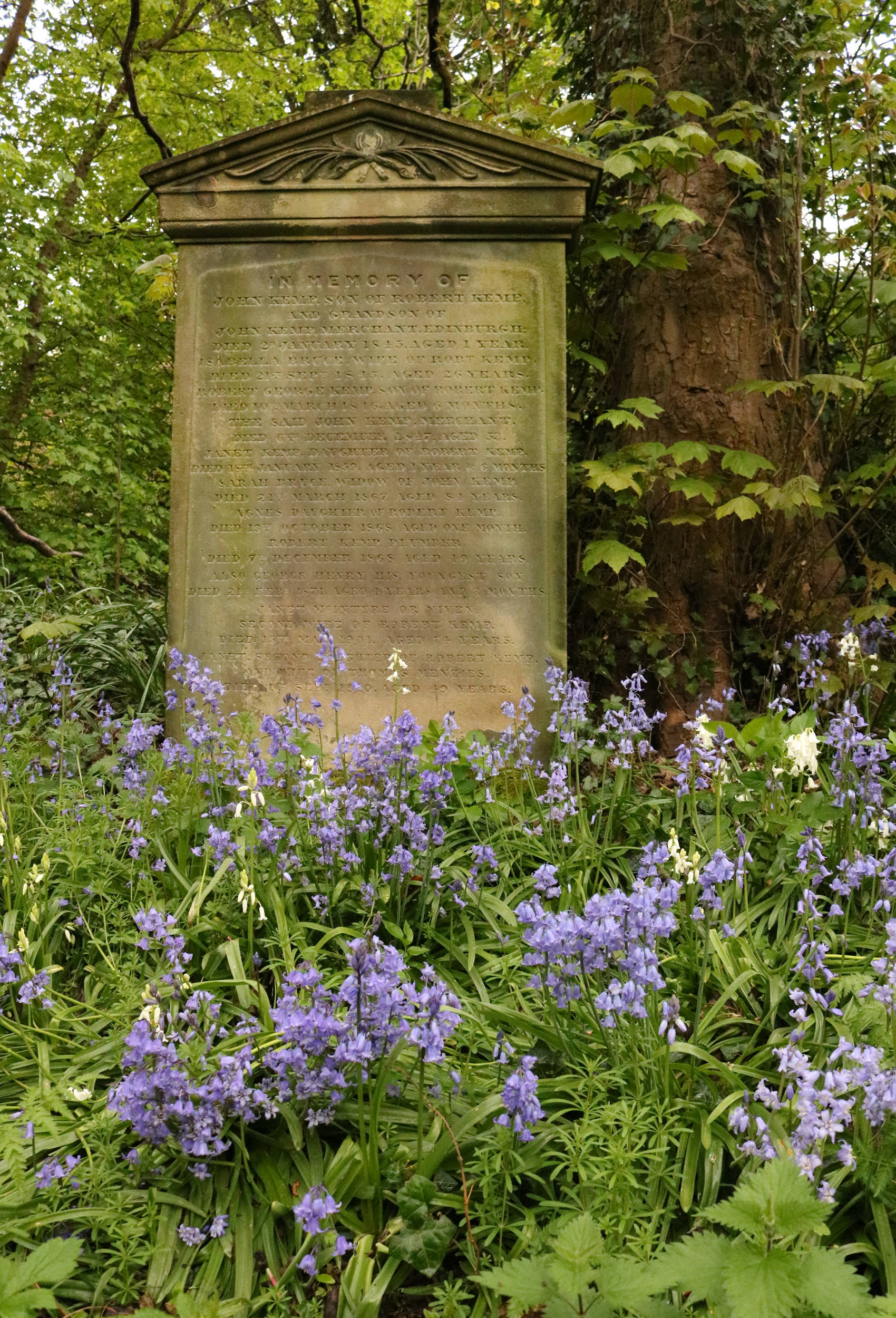
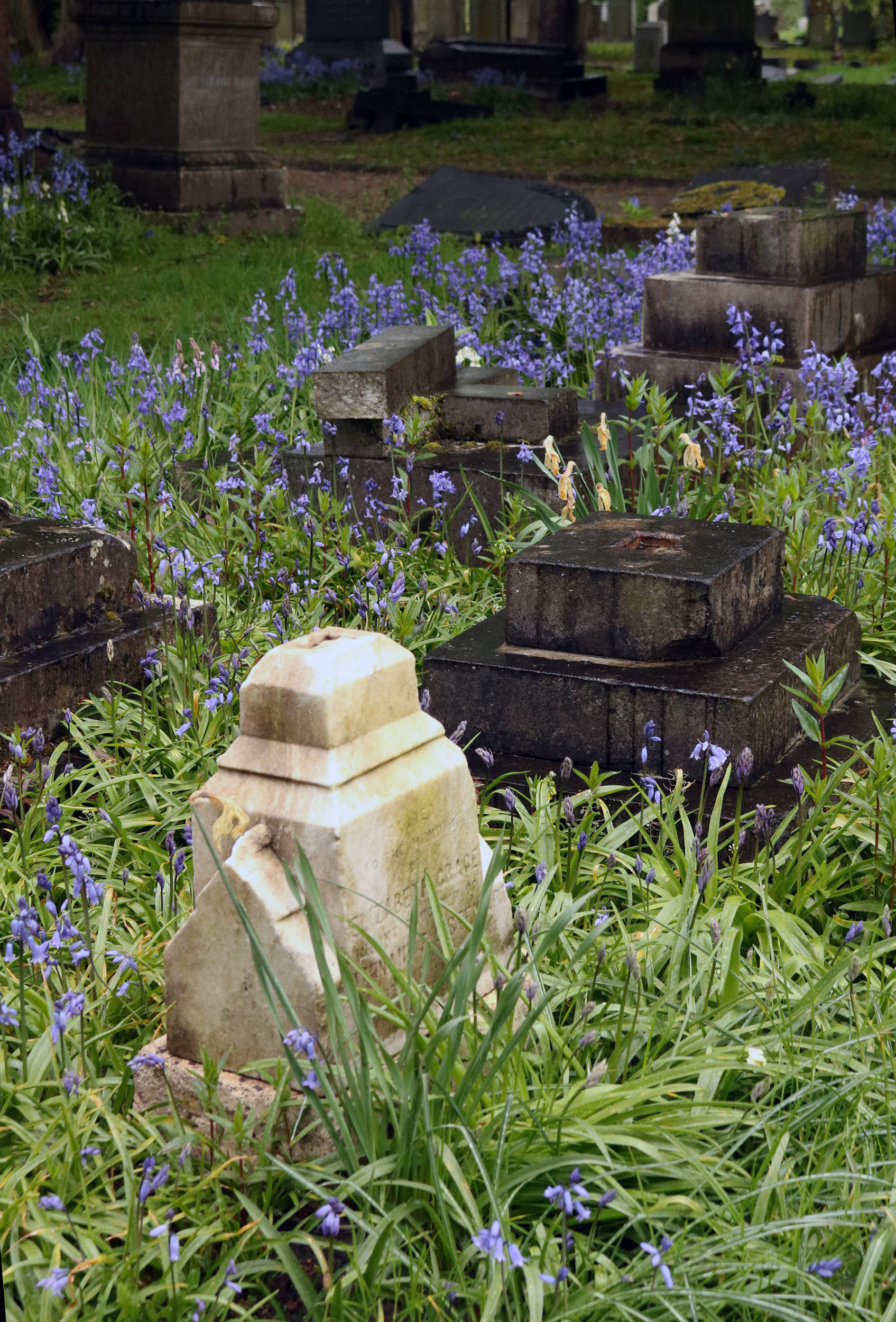
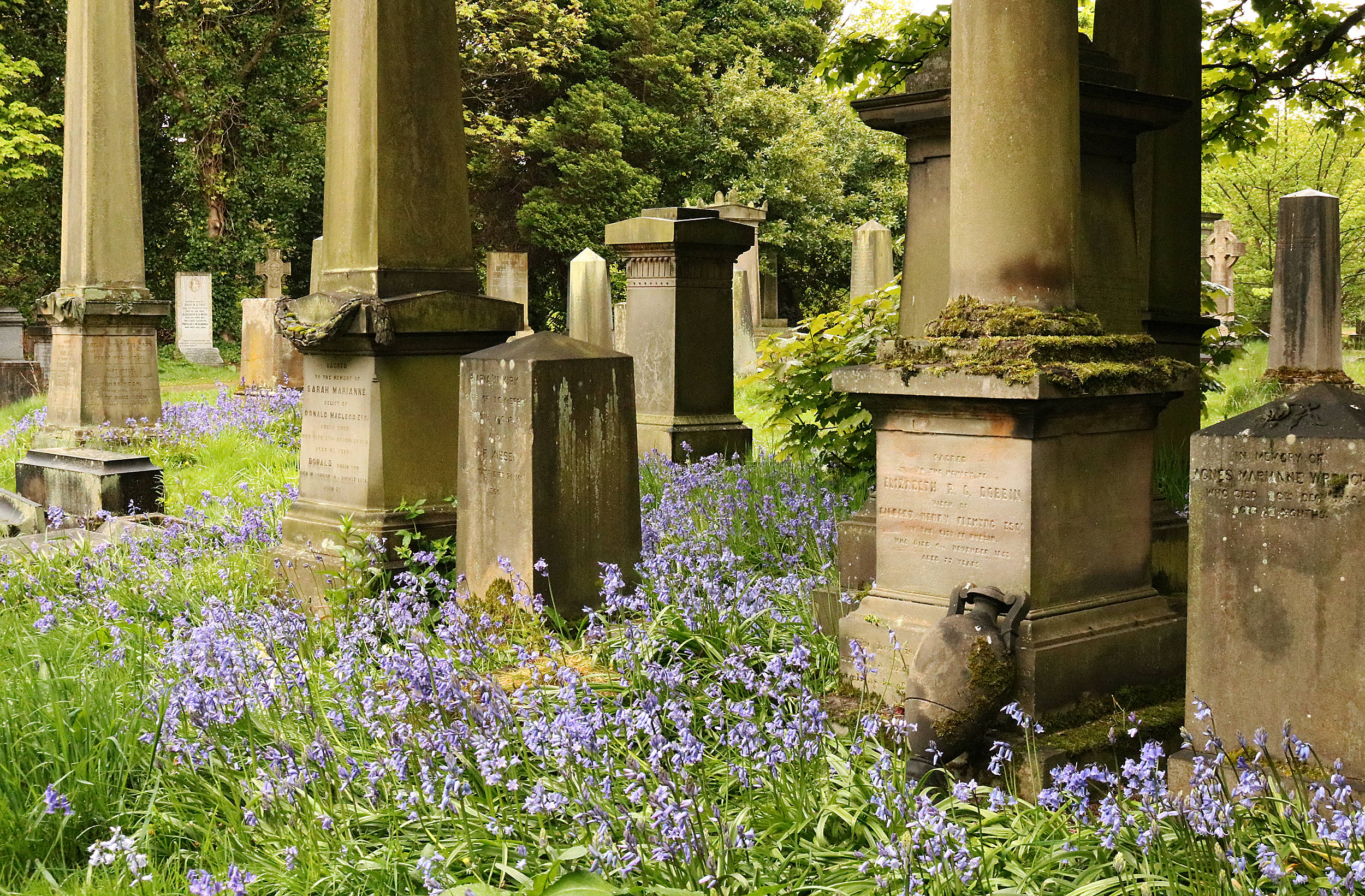
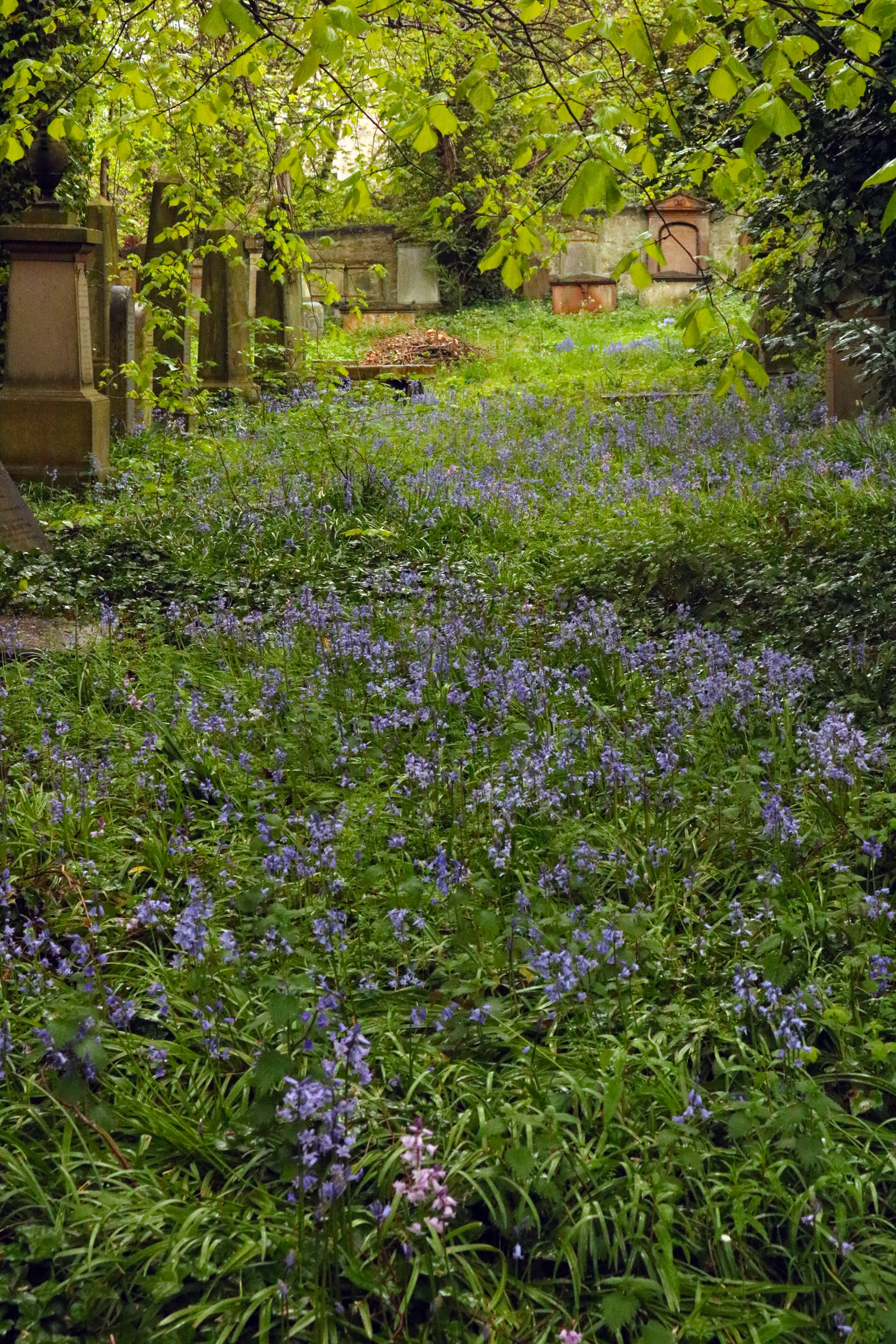
A few images from around the cemetery on an overcast morning.
Click on an image for a larger view. Opens in a new tab/window.
02 Saturday Nov 2019
14 Wednesday Aug 2019
Posted in Information, Views, Work In Progress
The ‘loch’ in question was the nickname for a shallow basin in the carriageway that regularly filled up with water due to rain. The water was always murky as it mixed with soil and had a very muddy bottom. Some of the visiting dogs liked it but the owners weren’t so keen when they saw their pets emerge covered in muddy water! One dog in particular springs to mind – a young golden retriever that had a pristine coat just before it had a brief mud bath in this pond. Afterwards, only the top of its head and top of its back were still blonde but the rest was a dark shade of brown! The dog’s owner was not available for comment.
The pool had been slowly growing in width over the years to the point where people were only just able to pass on one side. We thought it was time to re-establish the carriageway so that visitors could once again use it. A narrow trench was dug to provide a channel along which the water could drain away down the slope. Once almost completely drained, much mud was shovelled out. We had obtained a couple of tons of roof slate which was placed into the basin barrowload by barrowload from its location at the main gate. That task was almost complete when a 3-man crew from The City of Edinburgh Council stepped in to help us finish the job. They carried down the remaining slate on the front shovel of their digger machine then put some recycled road planings, which they had brought in on a truck for this purpose, on top then levelled it off with the mechanical shovel. You can see the results as well as ‘before’ and work in progress shots below. Click on an image to view a larger version. This will open in a new browser tab or window.


17 Wednesday Jul 2019
Posted in Headstones and monuments, Information, Revelations
June 29th to July 2nd, 2019. Recovering a memorial stone that hadn’t seen the light of day in decades.
It was covered in a mass of roots and earth, built up over the years. It’s the base of a cross, dedicated to Elizabeth Grace, the infant daughter of Lieutenant F.A. Stewart of the West India Regiment.
It’s the base for a cross, but we haven’t yet located that piece. The base was buried beneath soil and roots that had built up over the intervening years. It was excavated very carefully and given a brief wash using plain water and a gentle brush.
It was discovered on the Saturday. On the Monday, thanks to Mortonhall, we found out where it SHOULD be. It was back in its rightful position the very next day.
Here are some photos of the discovery, excavation and replacement…
(Click on an image to get a larger view. Opens in a new tab/window.)


Little Elizabeth Grace had been born at 14 Hope Street at 7.20am on 4 November 1872, the second child of Lieutenant Francis Archibald Stewart of the 1st West India Regiment and his wife Grace Jane Malloch, who’d married on 10 November 1870 in Canada. The family wasn’t long in Edinburgh, being unrecorded here in 1871 and 1875. Towards the end of the century, they were in Jersey. Hence this infant is the sole occupant of the grave. Elizabeth Grace died at 7am on 3 February 1873 at the same address of 14 Hope Street, aged 5 months. She’d suffered from Tubercular Meningitis for 5 days and Convulsions for 3 days.
She was attended by a nearby physician, Dr Angus Macdonald, across the street at no. 29 Charlotte Square. When he died in 1886 after being unwell for a few years (then buried in Grange), his death was certified by his neighbour, Dr Claud Muirhead of 30 Charlotte Square. One of Dr Macdonald’s positions was Lecturer in Midwifery and Diseases of Women, so may well have known (or at least known the teachings of) our most famous resident, Sir James Young Simpson. Dr Muirhead died in 1910 and is interred in Warriston’s Section K, quite close to Sir James Young Simpson.
Elizabeth Grace’s older brother, Archibald Francis Stewart, born 12 September 1871 in Jamaica, followed his father into the Army, firstly with the Durham Light Infantry. He spent most of his career in India, finally becoming Lieutenant-Colonel. He retired in September 1922.
N.B. Please note that we lack the equipment and training to re-site larger stones.
16 Tuesday Apr 2019
Posted in Information, Tour
Guided Tour
Warriston Cemetery
Thursday 16th May 2019 at 2pm
£5 per person.
Meet by the notice-board at the main gate.
Please book through friendsofwarristoncemetery@gmail.com
For other participating cemeteries, eg Dean, Morningside, Necropolis and Southern Necropolis (Glasgow), see www.cemeteryfriends.com
National Cemeteries Week, 11 – 19 May 2019
and Dying Matters Awareness Week 2019
This week you will see how Cemetery Friends throughout the UK are involved in keeping cemeteries tidy and safe whilst conserving and managing the natural features, restoring significant buildings and monuments and encouraging the appreciation of cemeteries.
http://www.cemeteryfriends.com
#cemeteriesweek

25 Monday Mar 2019
Posted in Views and Nature
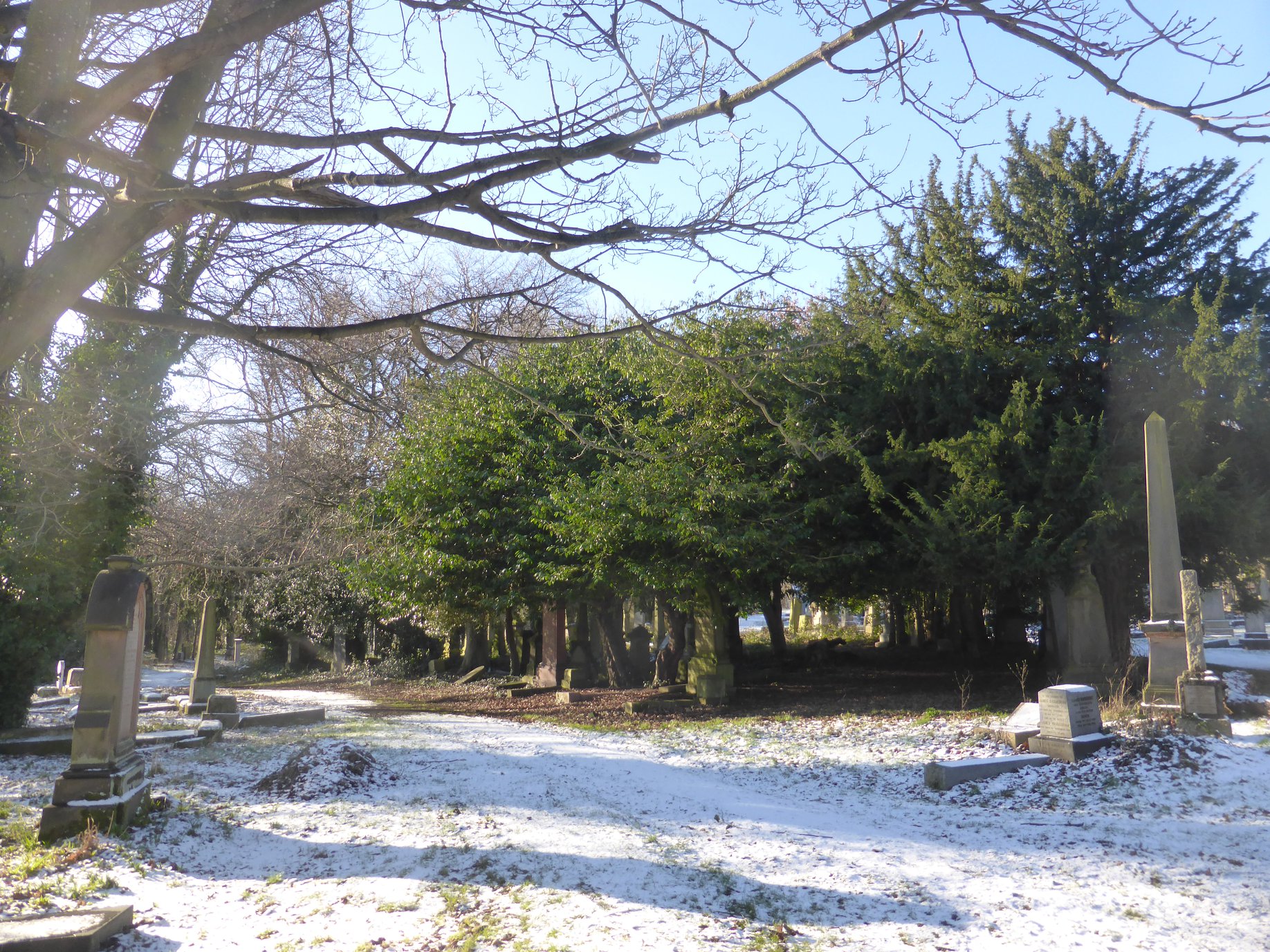
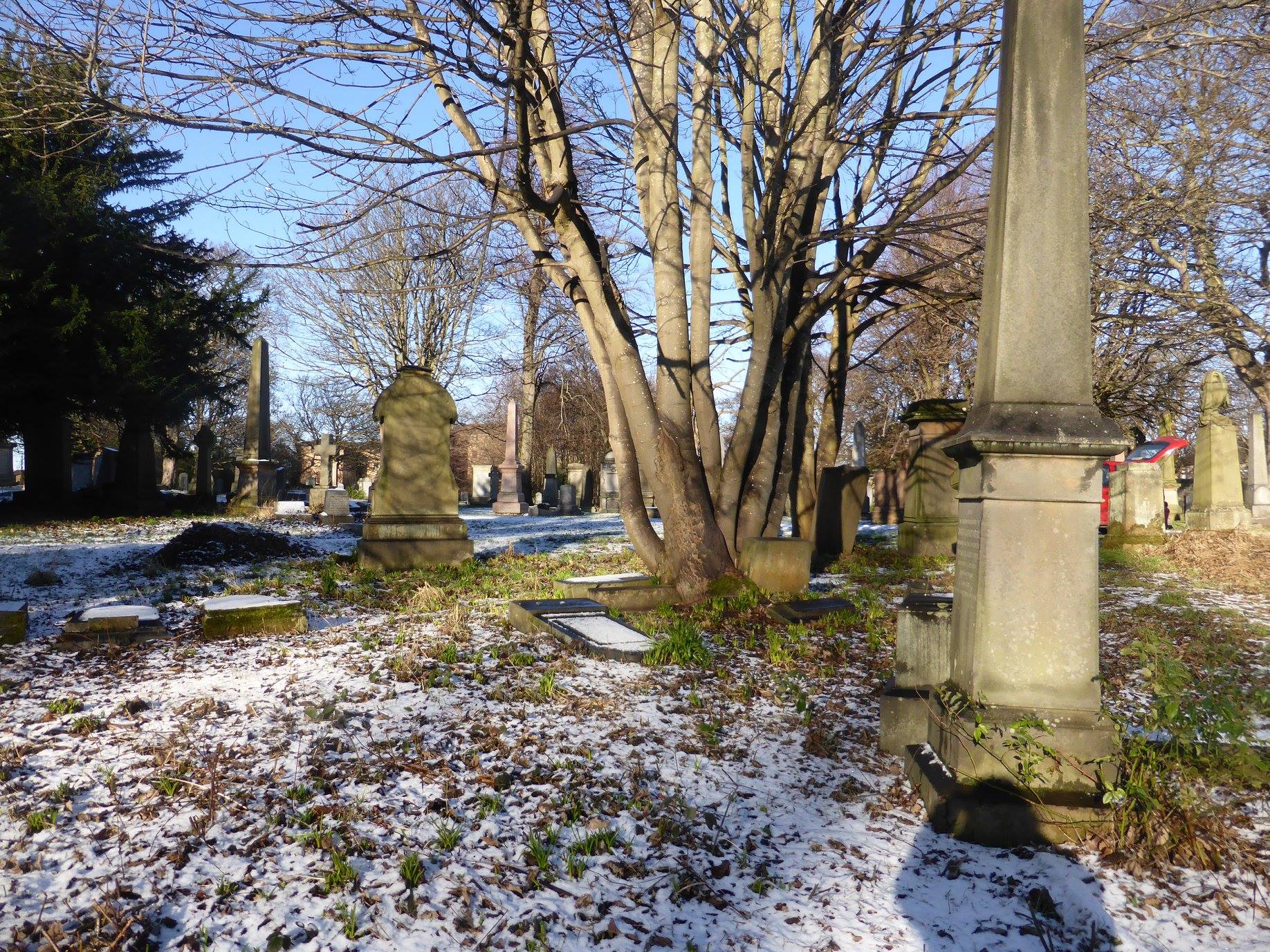
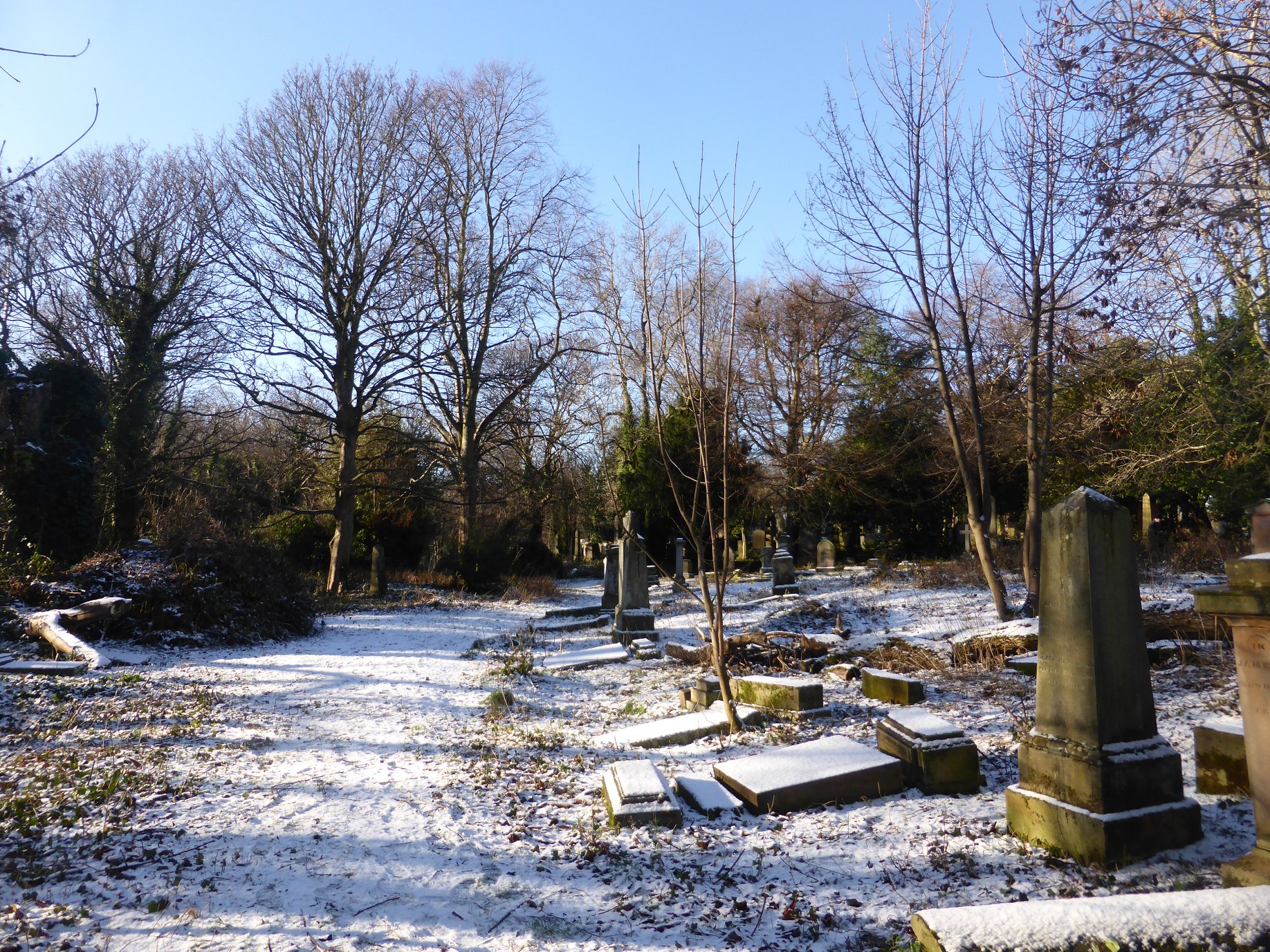
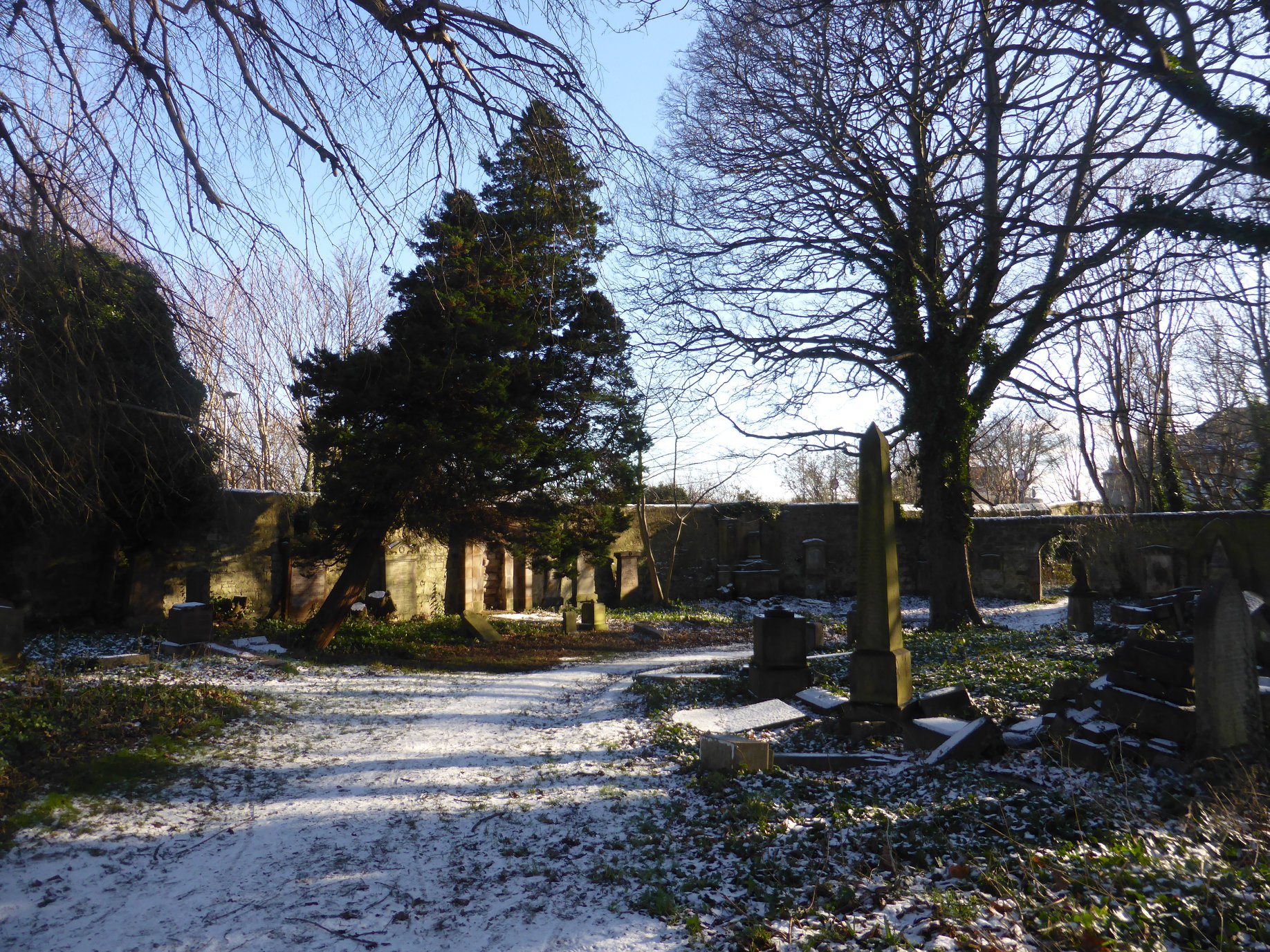
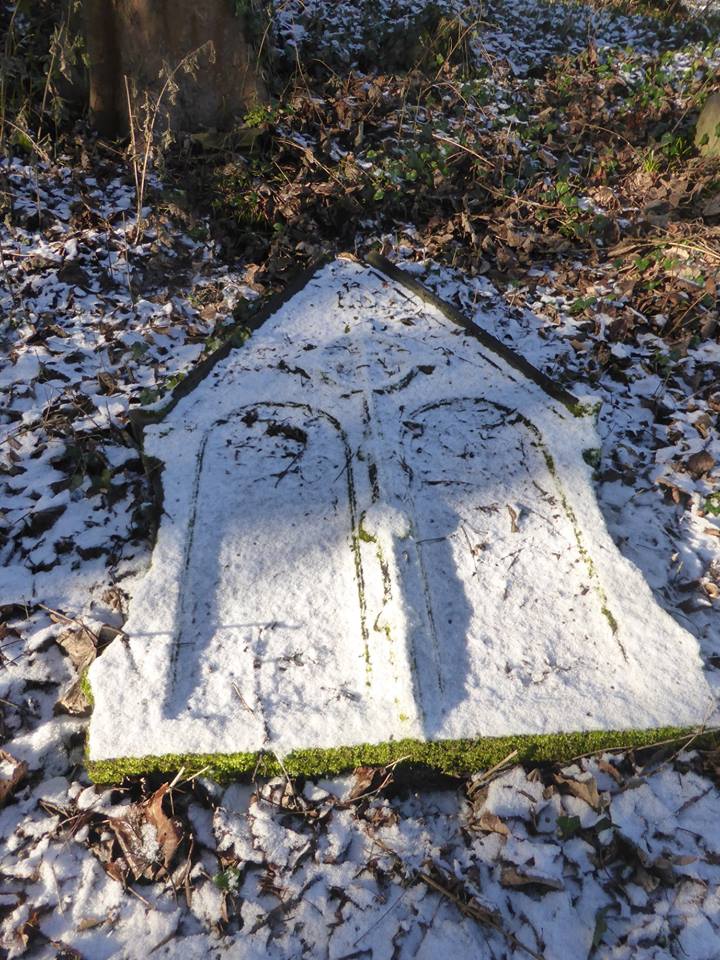
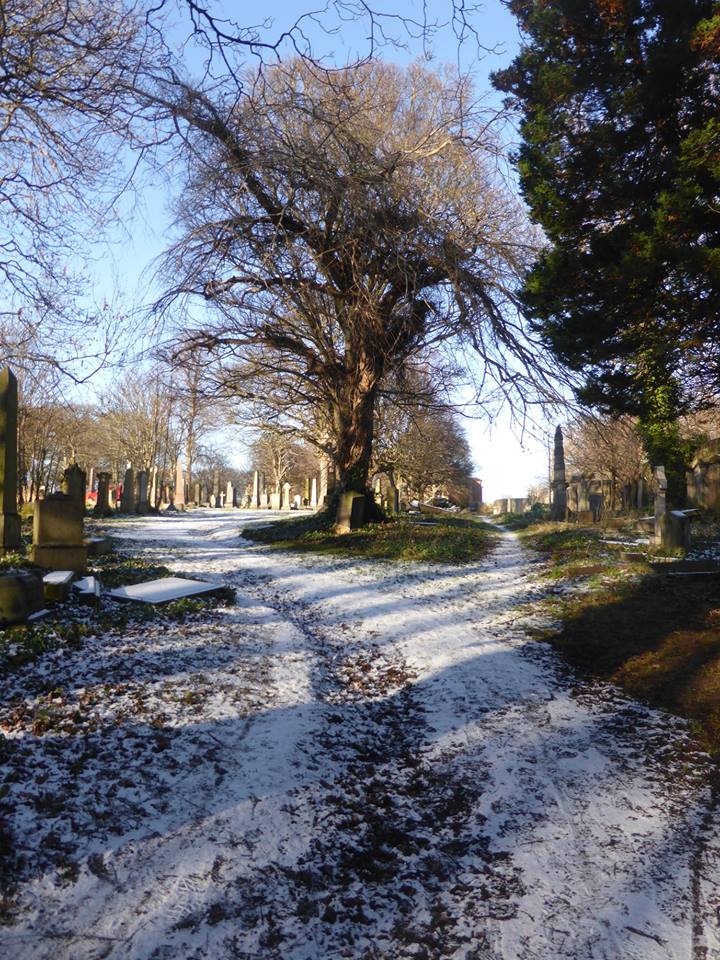
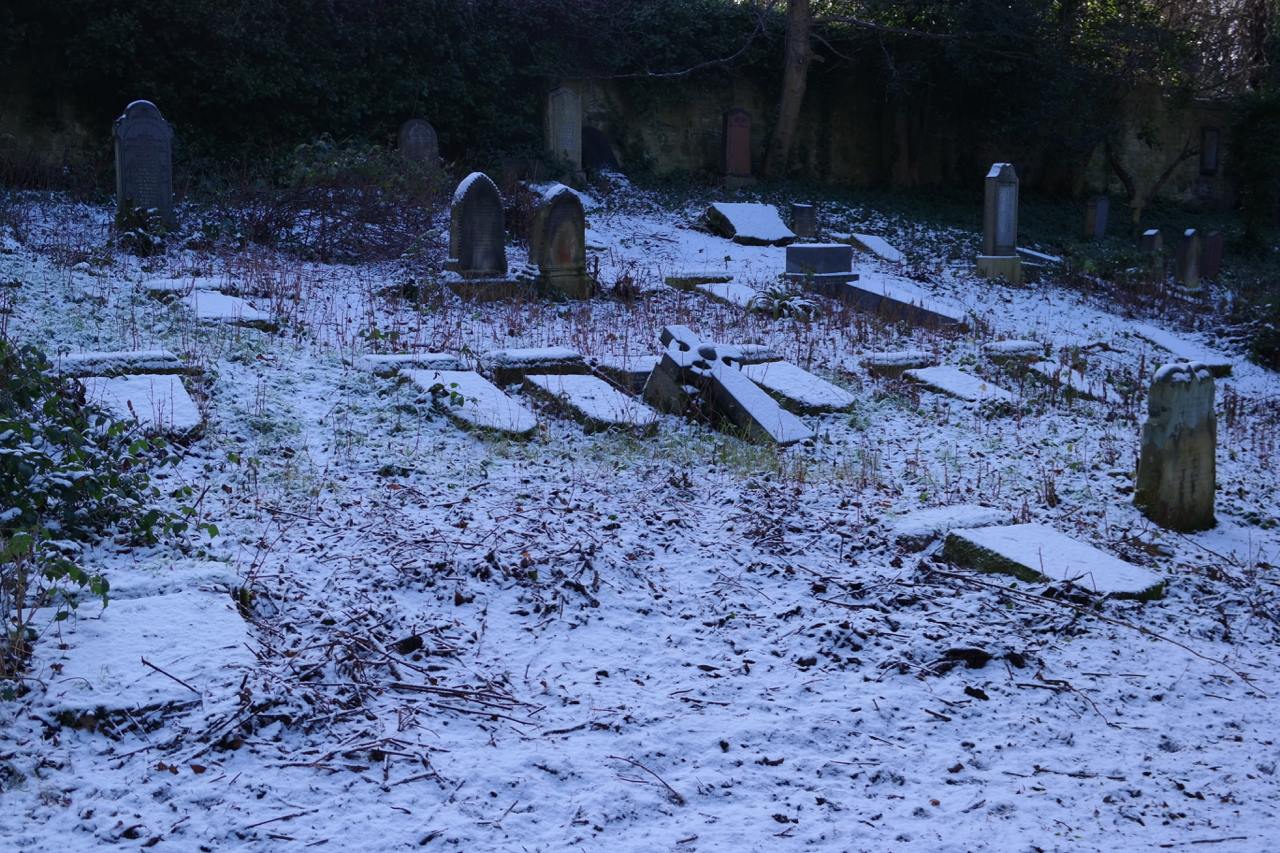
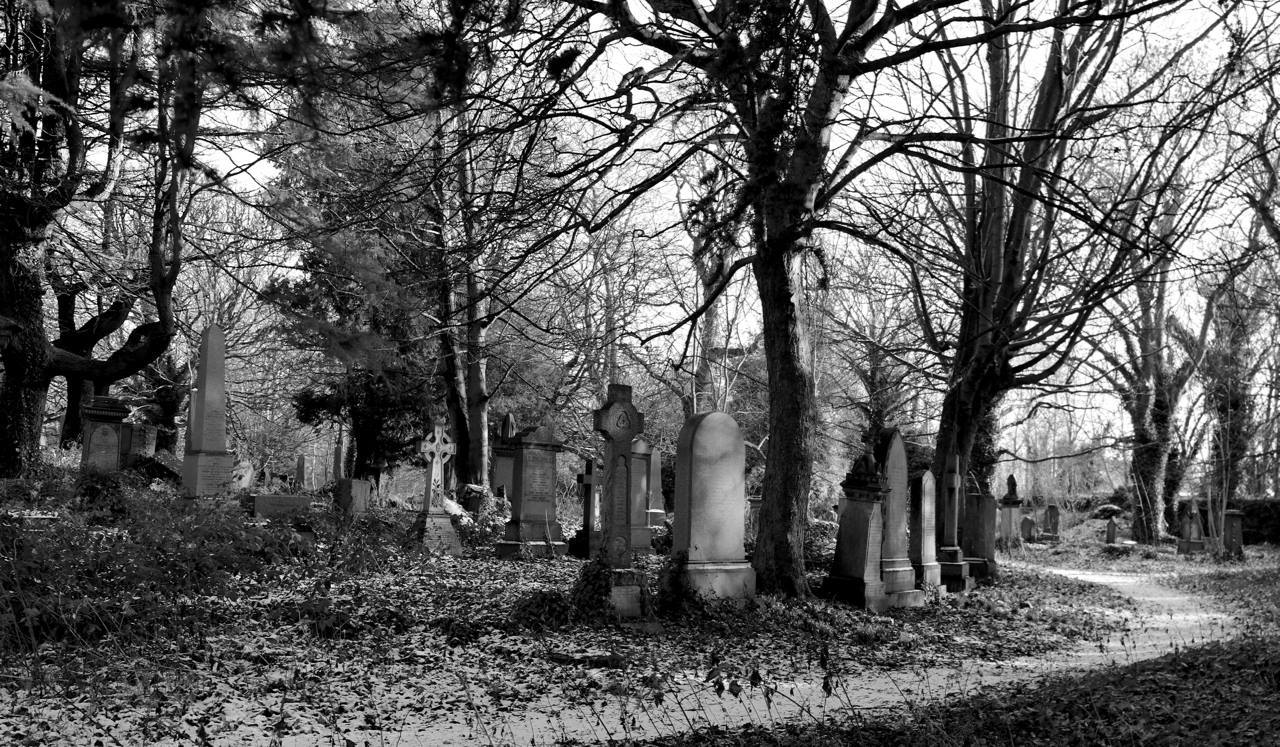
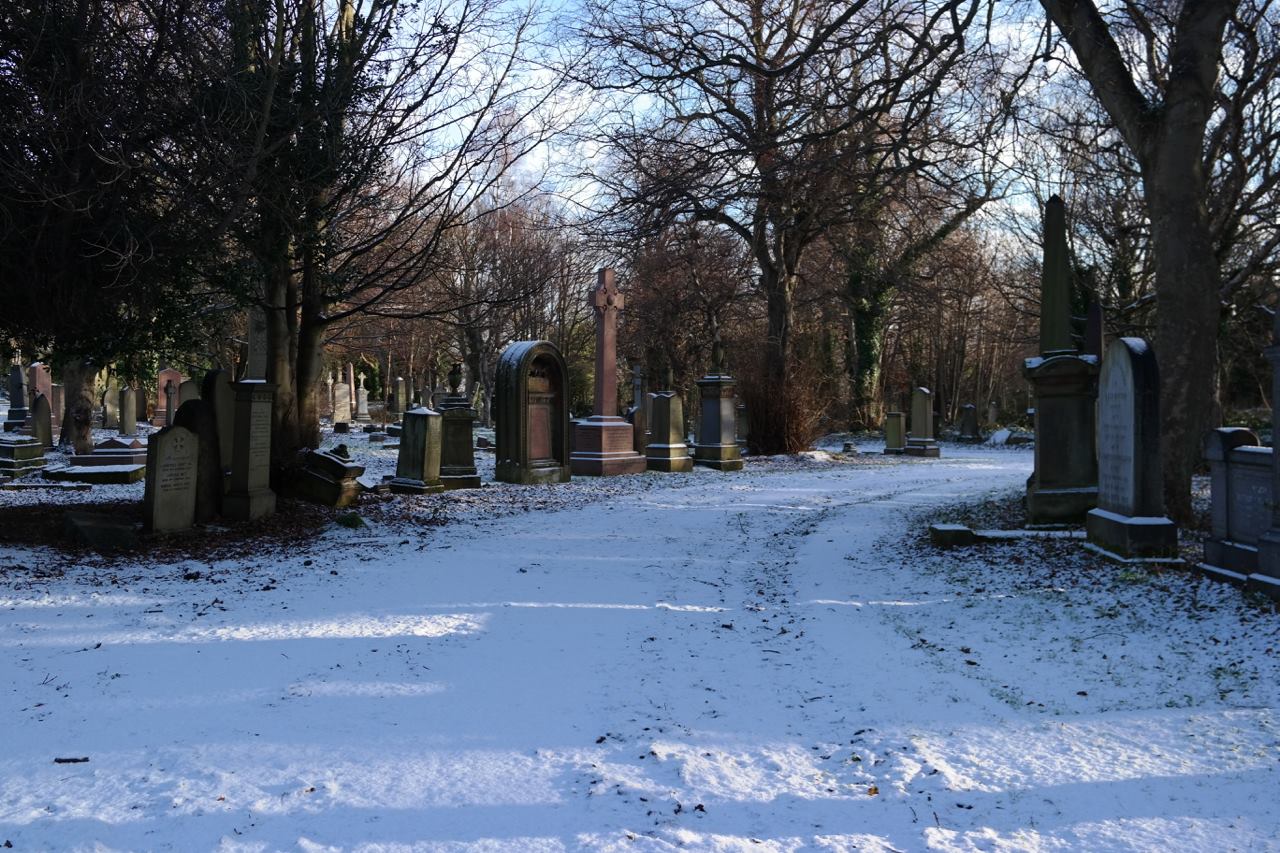
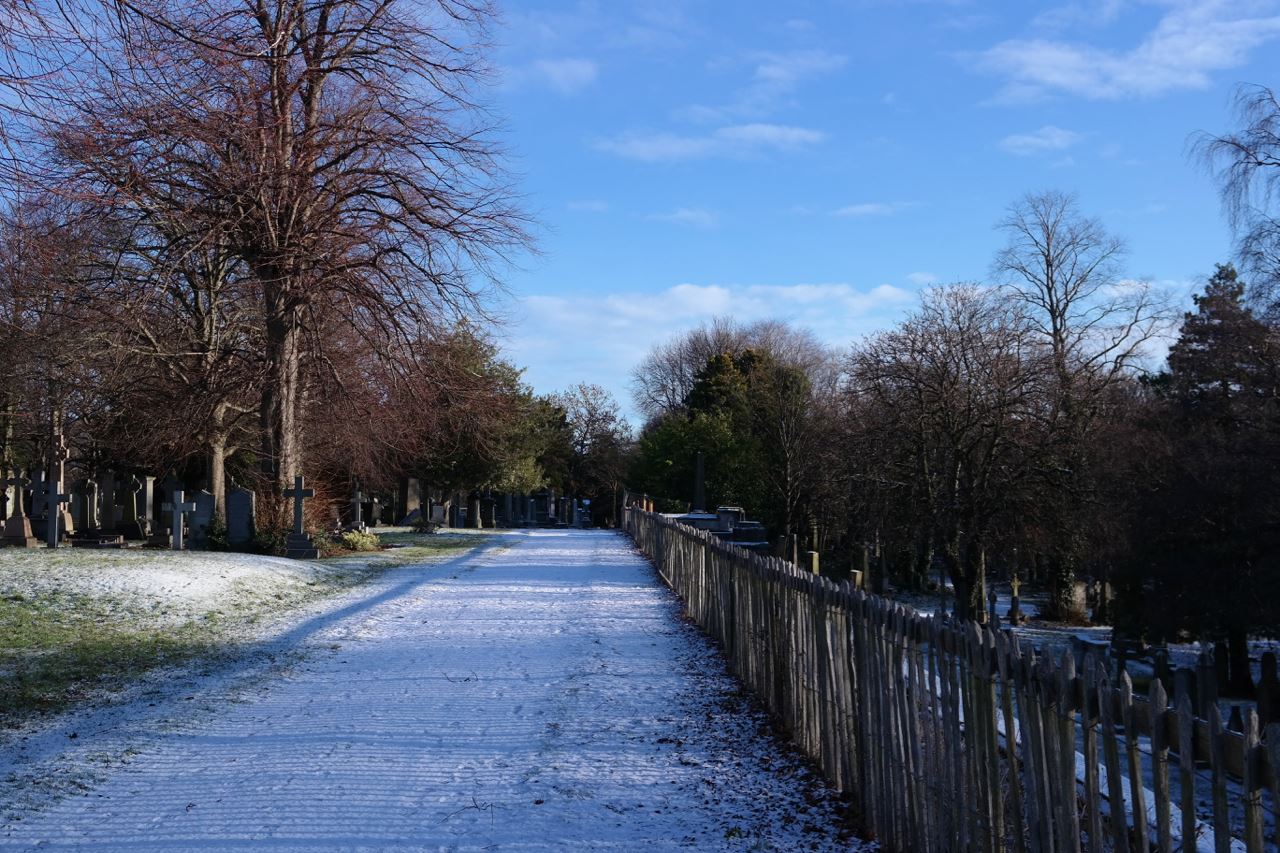
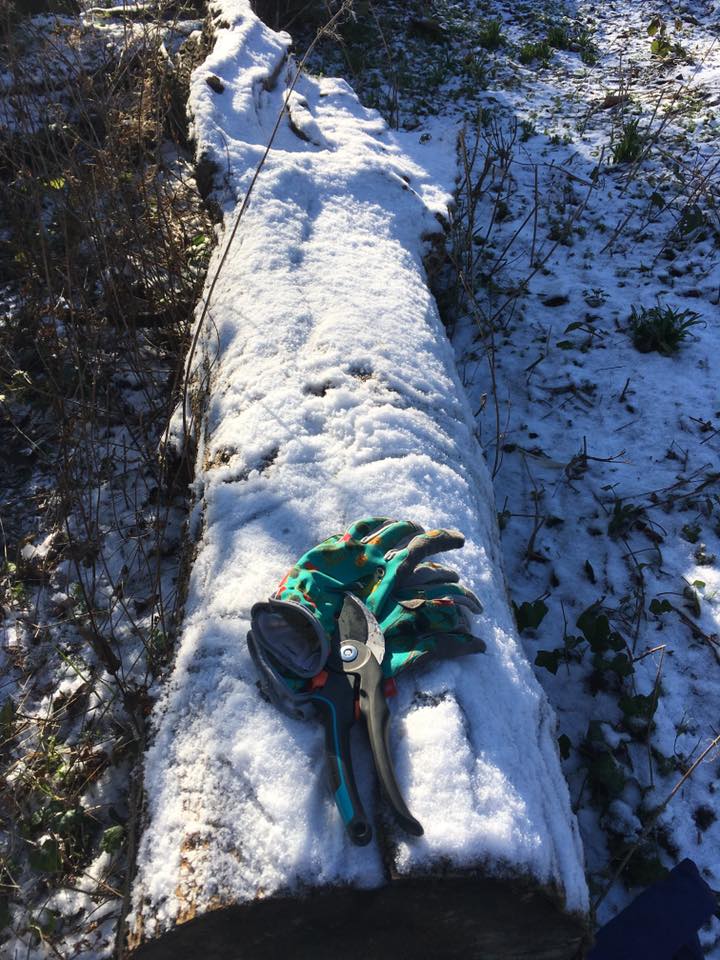
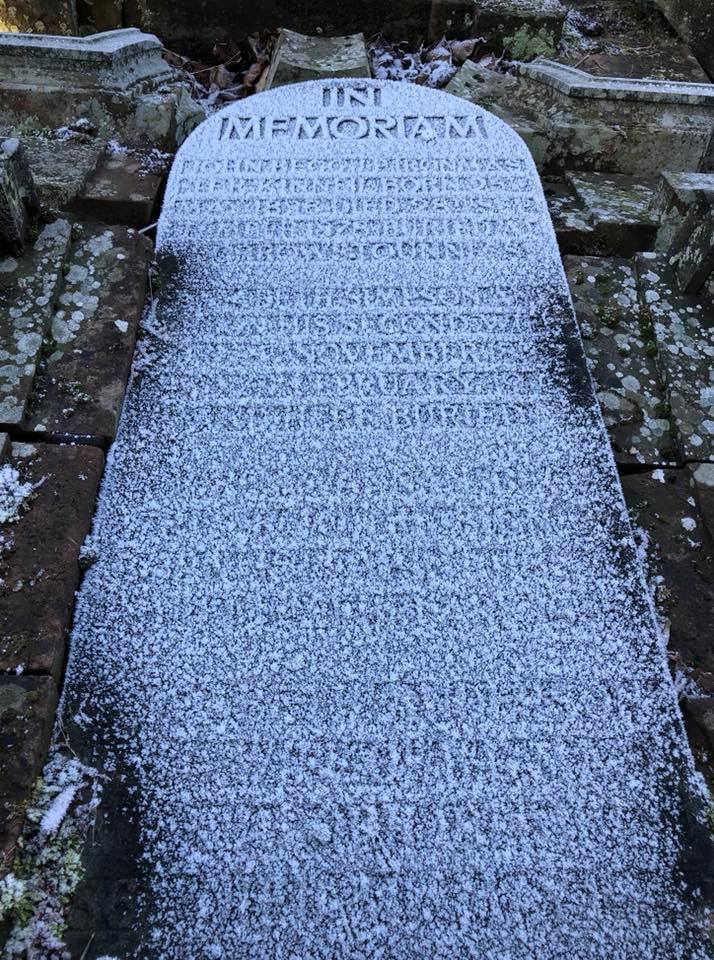
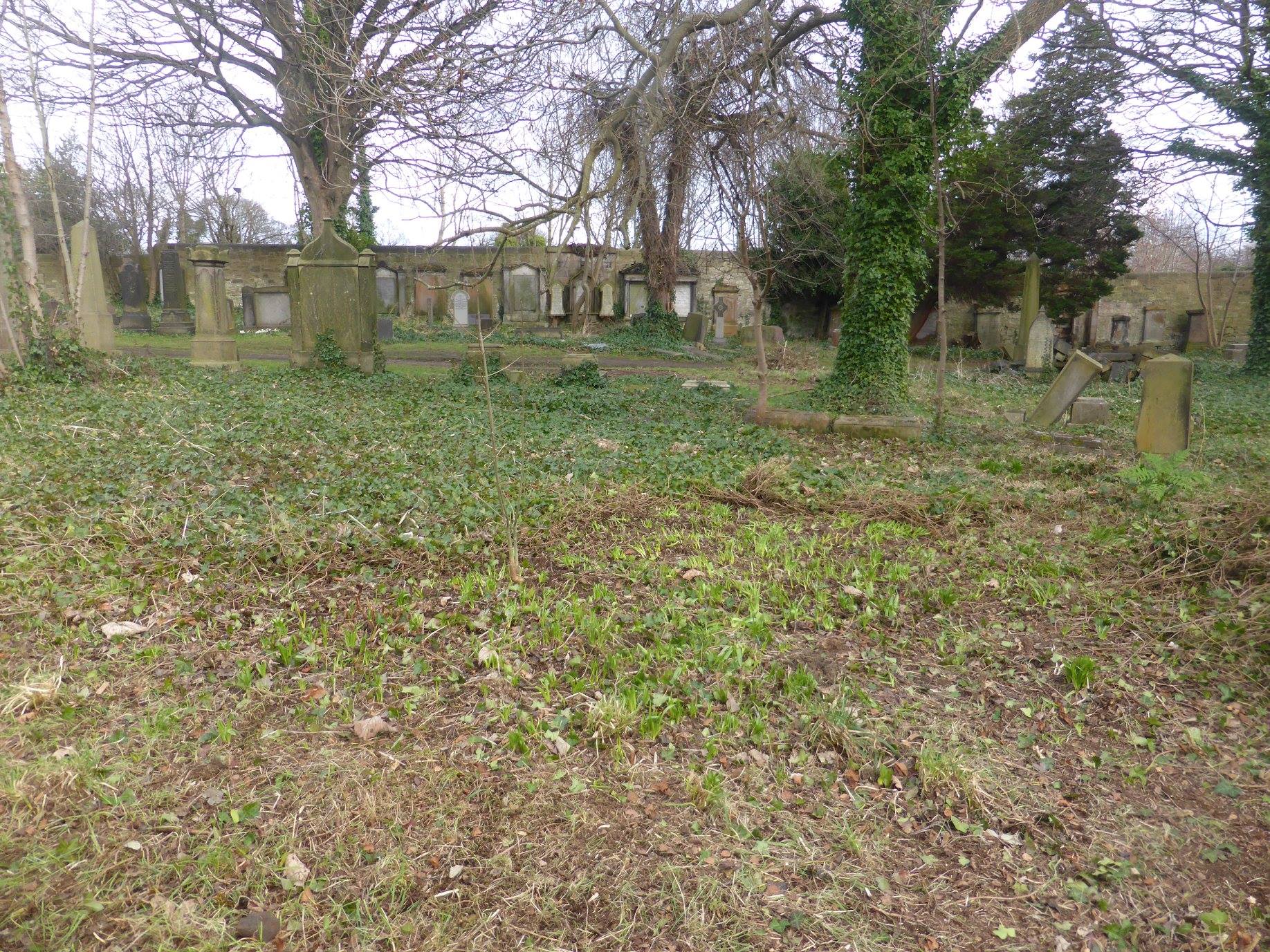
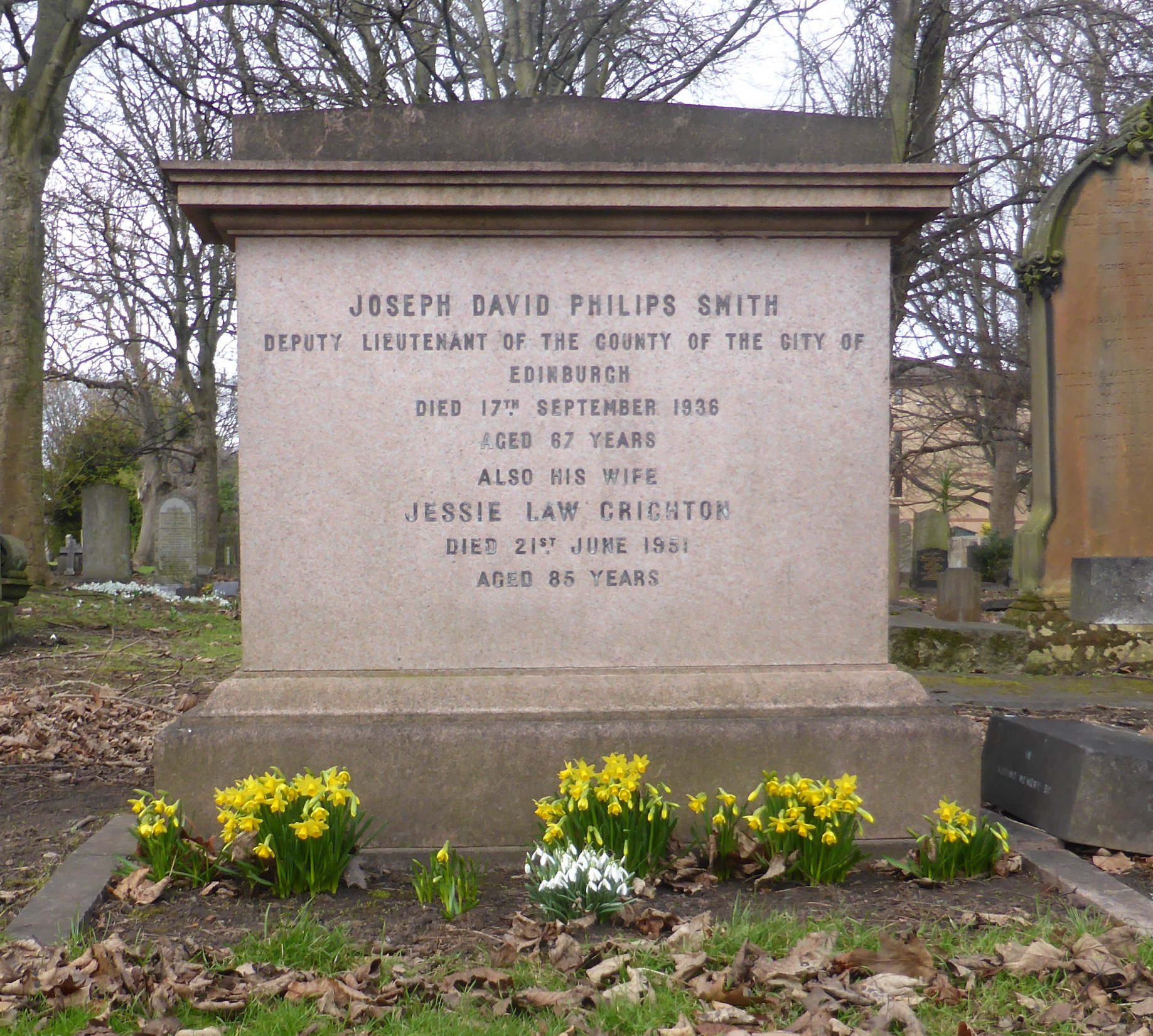
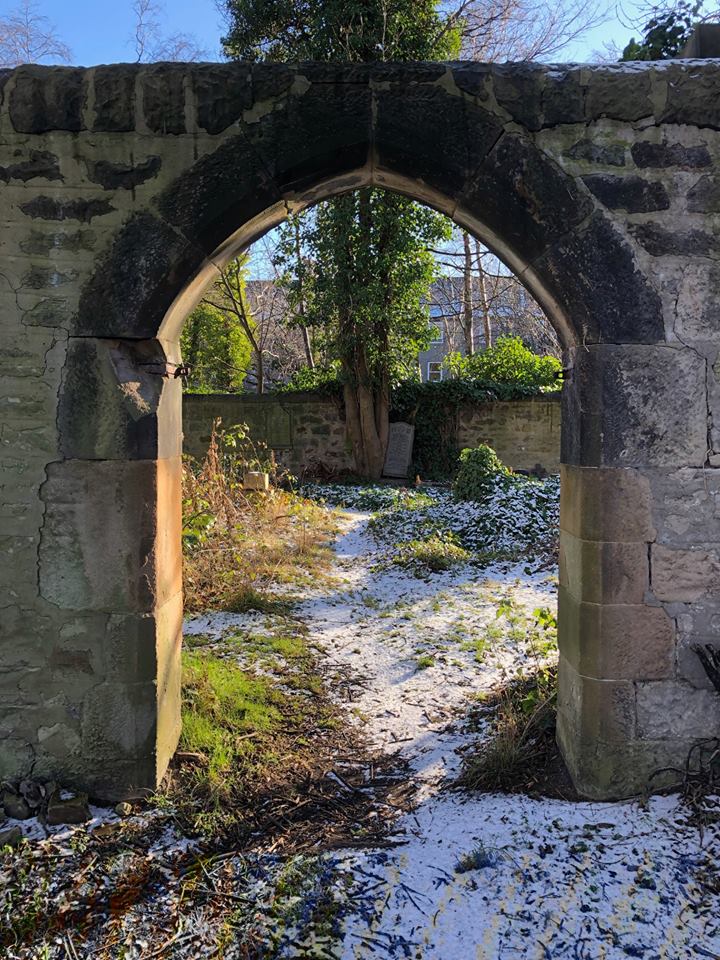
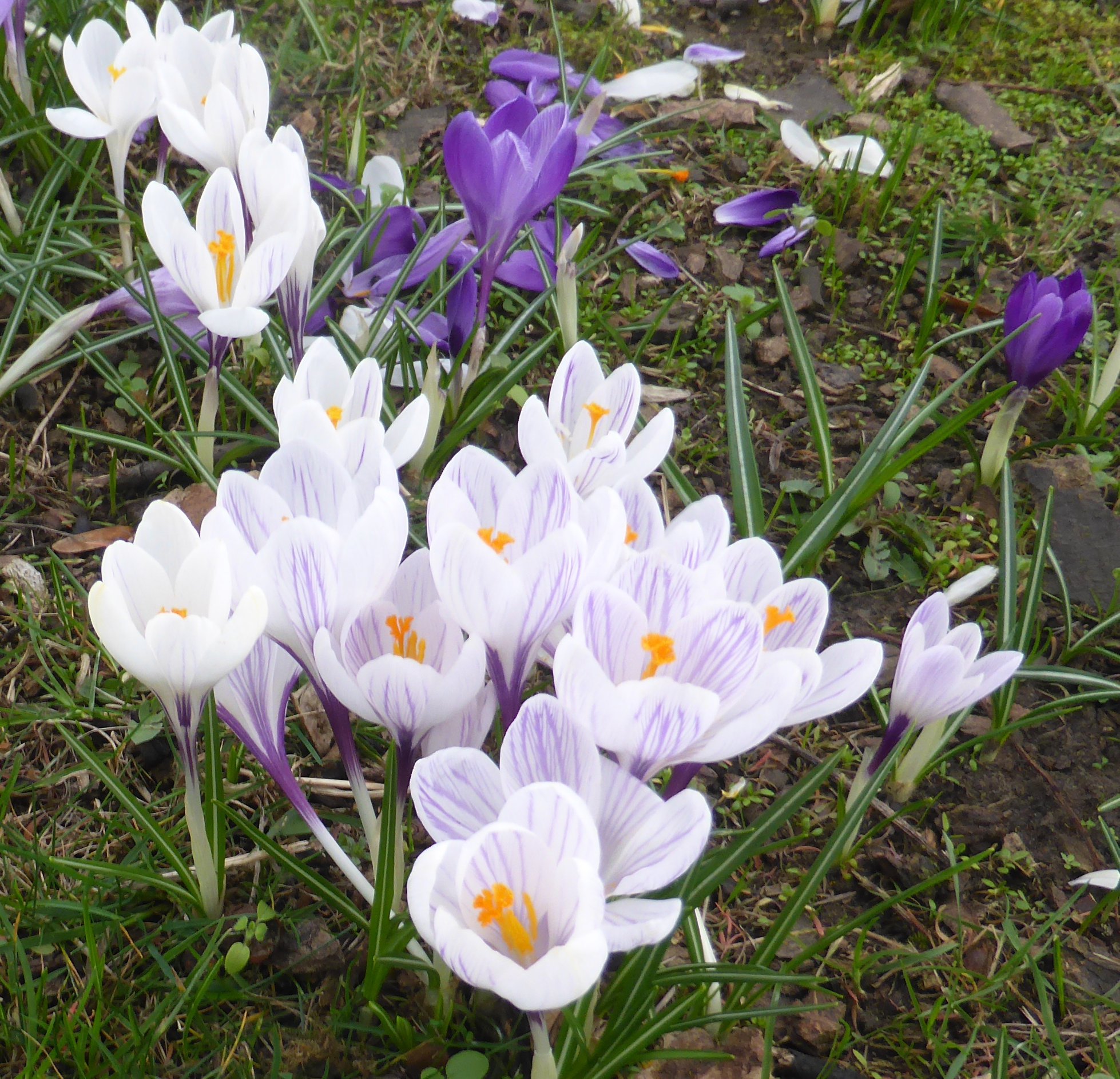
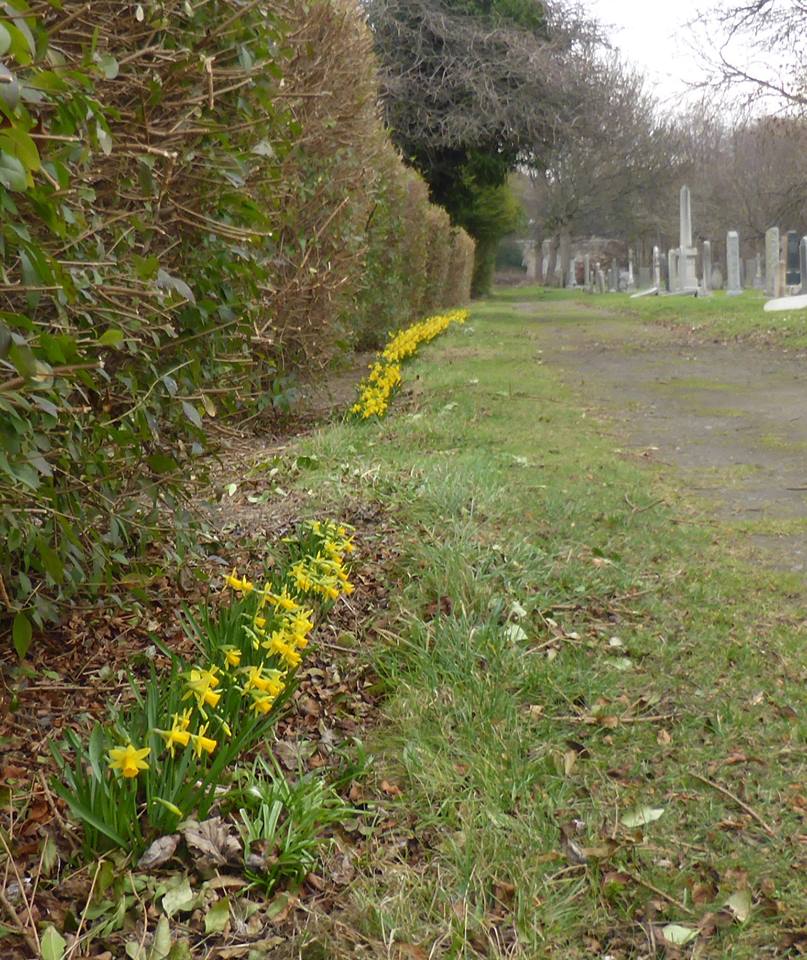
Clicking on an image will reveal a larger version. Opens in a new tab/window.
Images provided by Caroline Gerard, Malena Astrom and Robert Reinhardt.

03 Sunday Mar 2019
A video of some of the bird species taking advantage of the installed bathing facilities.
Robins, great tits, blue tits, chaffinch, bullfinches, wren, long tailed tits, dunnock.


 Friends of Warriston Cemetery
You must be logged in to post a comment.